

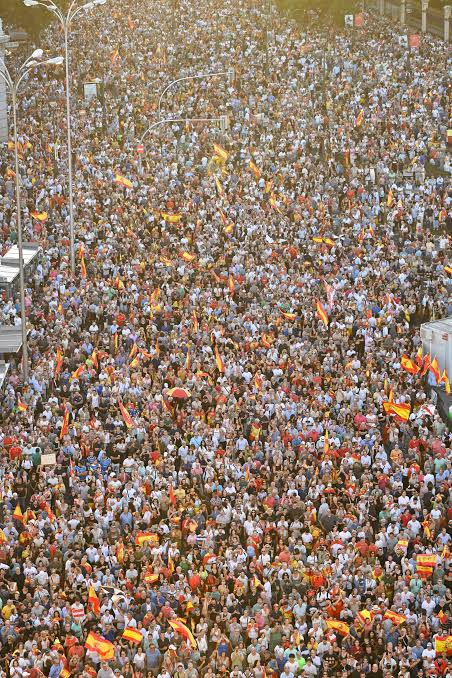
ROME, ITALY — Italian Prime Minister Giorgia Meloni’s government has approved sweeping security measures, including tougher prison sentences, expanded police detention powers and the deployment of 500 soldiers to Milan, following violent demonstrations over soaring living costs and worsening economic conditions. The emergency measures, approved by the cabinet on Tuesday, October 20, introduce a new criminal offence targeting violent participation in public demonstrations.
Under the decree, individuals participating in groups of at least five people whose actions endanger public safety could face up to five years in prison and fines reaching €20,000. Penalties increase where participants conceal their identities or cause injuries. The legislation also allows authorities to demand immediate compensation for property damage, with parents held financially responsible when their underage children participate in vandalism or looting.
Police have additionally been granted expanded powers to detain minors aged 14 to 17 considered a potential threat to public safety, even when they have not committed a criminal offence. The government confirmed that 500 military personnel would reinforce security operations in Milan until the end of 2026, protecting sensitive locations and supporting surveillance activities.
However, a proposal to grant soldiers direct policing powers was excluded following objections reportedly raised by President Sergio Mattarella. The crackdown follows violent disturbances across northern Italy, particularly Milan, where masked demonstrators smashed shop windows, looted businesses, burned barricades and clashed with riot police. The unrest erupted during demonstrations demanding higher wages, affordable housing, lower energy prices and improvements in public services.
Meloni condemned the destruction, insisting that legitimate economic grievances cannot justify violence against businesses, public property or security personnel. However, civil liberties advocates and opposition figures have raised concerns that expanding detention powers and introducing tougher protest-related penalties could discourage peaceful demonstrations. Criminal defence lawyer Marina Prosperi warned that increasingly restrictive laws could expose demonstrators, particularly migrants seeking residency or citizenship, to serious legal consequences. The unrest mirrors broader demonstrations in neighbouring France, where economic frustrations have also triggered confrontations between protesters and police.
Meanwhile, truck drivers in southern Italy have organised roadblocks against rising diesel prices, disrupting deliveries and threatening agricultural supply chains. The crisis comes as Meloni prepares her government’s 2027 budget amid stagnant wages, rising household expenses and mounting public dissatisfaction. With additional demonstrations expected, authorities face growing pressure to maintain public order while safeguarding civil liberties. The central challenge remains addressing the economic grievances driving protests without unnecessarily restricting the right to peaceful assembly.



















