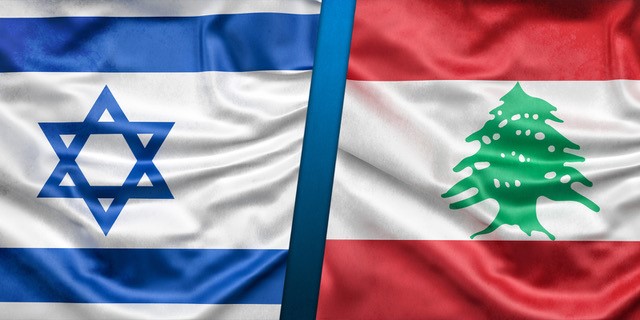
Israel and Lebanon are expected to open direct talks in Washington on Tuesday, in what would mark their first formal face-to-face negotiations in decades, as the United States tries to prevent the Israeli-Hezbollah front from wrecking an already fragile regional ceasefire. Reuters reported that envoys from both sides are due to meet under U.S. mediation after weeks of intense Israeli strikes in Lebanon and continued rocket fire from Hezbollah.
The talks are significant not only because of who is involved, but because of when they are happening. The Israel-Lebanon front has become one of the most dangerous unresolved theatres in the wider Middle East crisis. Reuters said President Donald Trump is pushing the talks as part of a broader effort to contain escalation after the U.S.-Iran ceasefire, but one of the biggest obstacles is that Israel insists the truce with Iran does not apply to Hezbollah in Lebanon.
Prime Minister Benjamin Netanyahu said this week that Israel wants to start peace negotiations with Lebanon “as soon as possible,” framing the effort as part of a push for a lasting arrangement on the northern border. Lebanese President Joseph Aoun has also backed direct talks, according to Reuters, but Lebanon is entering them from a much weaker position after a month of war that has displaced more than a million people, devastated parts of Beirut and intensified internal political strain.
At the core of the negotiations will be Hezbollah. Reuters reported that Israel wants the Lebanese state to assume responsibility for disarming the Iran-backed group and enforcing security along the border, reviving objectives that were also embedded in the November 2024 ceasefire framework. But analysts quoted by Reuters said Lebanon’s army may not have the capacity to establish a true monopoly over arms or dismantle Hezbollah’s military infrastructure, raising doubts about whether any agreement can be fully implemented.
That uncertainty is made worse by the violence continuing right up to the talks. Reuters and AP both reported that Israeli strikes have persisted in Lebanon in recent days, while Hezbollah has continued retaliatory fire. AP said the worsening battlefield situation has already cast doubt over whether diplomacy can gain traction, especially with Lebanon demanding a halt to Israeli attacks and Israel refusing to commit to one before talks begin.
So while Tuesday’s meeting is historically important, it begins under grim conditions. This is less a peace conference than an attempt to stop a dangerous war front from expanding further. Whether it produces a ceasefire, a security framework, or simply another round of deadlock will depend on whether both sides are willing to negotiate beyond the battlefield logic that has driven the past month of conflict