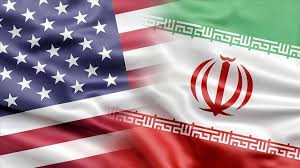
The ongoing nuclear standoff between Iran and the U.S. appears to be entering another critical phase, with Iran’s Supreme Leader Ayatollah Ali Khamenei firmly rejecting a new American-backed proposal aimed at curbing uranium enrichment in exchange for economic incentives and international fuel guarantees.
Key Developments
🇮🇷 Khamenei’s Firm Rejection
In a defiant speech:
- Khamenei dismissed the U.S. proposal, saying it opposes Iran’s revolutionary ethos and national sovereignty.
- He reaffirmed Iran’s commitment to uranium enrichment, calling it “the key to our nuclear programme.”
“Who are you to decide whether Iran should have enrichment?” — Ayatollah Khamenei
The U.S. Proposal (Via Oman)
Reported terms of the Steve Witkoff-led U.S. proposal include:
- Iran would pause enrichment and rely on a regional consortium (under IAEA and U.S. supervision) for civilian reactor fuel.
- Iran must:
- Halt all enrichment once facilities are built
- Dismantle any enrichment infrastructure not part of the consortium
- Cease development of new centrifuges
- In return: Sanctions relief and unfreezing of assets after compliance is verified.
Trump’s Pressure Campaign
Former President Donald Trump, who withdrew from the 2015 deal, has:
- Called Iran’s approach “slow-walking.”
- Warned of possible U.S. and Israeli military action if Iran doesn’t comply.
- Reiterated that the U.S. would allow “no enrichment at all”.
“Time is running out… a decision must be made quickly.” — Trump on Truth Social
Iran’s Response
Iranian Foreign Minister and chief negotiator Abbas Araghchi responded:
- “No enrichment, no deal.”
- Affirmed Iran would never pursue nuclear weapons, but also would not surrender its enrichment program.
- Left the door open to a “political deal”—suggesting flexibility if the U.S. recognized Iran’s civilian enrichment rights and released frozen funds.
IAEA Findings
- Iran currently has over 408 kg of uranium enriched to 60% — near weapons-grade.
- That quantity is theoretically enough to produce nine nuclear bombs, raising fears of an accelerated weapons pathway.
Broader Context
- 2015 Nuclear Deal (JCPOA): Limited Iran’s enrichment to 3.67%. Trump’s 2018 withdrawal and reimposition of sanctions led Iran to escalate its enrichment.
- Iran continues to deny it seeks nuclear weapons, asserting that its goals are purely civilian.
- Talks now appear to hinge on whether mutual face-saving compromises can be struck:
- U.S. insists on verifiable denuclearization,
- Iran demands recognition and economic relief.
What’s Next?
- Iran is expected to formally respond to the proposal in the coming days.
- A stalemate could increase regional tension—particularly with Israeli threats looming and a fragile situation in Gaza.
- A “political deal” short of a formal treaty may become the most realistic pathway forward.