Tensions between the U.S. and Iran deepened further after a senior Iranian cleric declared that making threats against Supreme Leader Ayatollah Ali Khamenei is a serious offense under Islamic law—punishable by death.
Ayatollah Nasser Makarem Shirazi, a prominent religious authority based in the city of Qom, made the statement in response to a question regarding remarks made by former U.S. President Donald Trump. While Shirazi did not name Trump directly, Iranian state media outlet IRNA confirmed the context involved the former American leader’s recent comments.
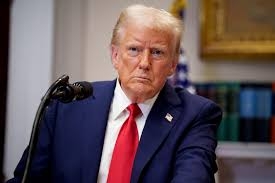
Trump had stirred controversy earlier this month when he said of Khamenei, “We are not going to take him out (kill!), at least not for now.” The comment, which many viewed as a thinly veiled threat, has drawn condemnation from Iranian religious and political circles.
In his religious decree, Makarem Shirazi responded to the question posed by a follower about Trump’s remark: “Individuals or regimes that attack an Islamic government or threaten or act against its religious leaders are considered ‘Mohareb’—enemies of God or warriors against God.”
He added that, in such cases, Islamic law allows for the most severe punishment, stating that the offense is “a curse and a sin punishable by death.”
While the cleric stopped short of issuing a direct fatwa or naming Trump outright, he emphasized that Muslims have a religious duty to confront such perceived enemies: “Those who punish the enemies of Islamic states and leaders are regarded as holy warriors and are assured of God’s blessing.”
Makarem Shirazi’s remarks underscore the serious weight Iran places on protecting its top religious and political figures, particularly Khamenei, whose authority combines both spiritual and political leadership. The statement is being interpreted by many observers as an indirect but clear message to Washington in response to Trump’s provocative rhetoric.
The exchange comes amid ongoing tensions between the two nations, particularly over Iran’s nuclear ambitions, regional conflicts, and past military confrontations.