

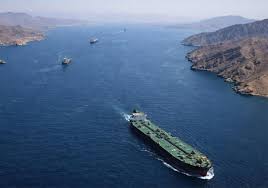
TEHRAN — Iran has dismissed President Donald Trump’s assertion that the United States has full control of the Strait of Hormuz, insisting that the strategic waterway remains closed and will not return to normal operations until Tehran’s demands are met.
The dispute has produced sharply conflicting accounts from Washington and Tehran. While Trump has portrayed the US naval presence as giving America control of the passage, Iranian officials maintain that the country continues to determine whether vessels can move through the strait.
The Persian Gulf Strait Authority said US statements about the waterway being open did not alter Iran’s position.
“The Strait of Hormuz remains blocked and will not be reopened until Iran’s conditions are accepted.”
Iranian officials have also rejected the suggestion that American military power has removed Tehran’s ability to influence shipping. Hossein Taeb, commander of Iran’s Basij paramilitary organisation, said the strait remained under Iranian “control and management”, directly challenging Trump’s account.
Trump, meanwhile, doubled down on his position in a post on Truth Social, declaring that Washington had complete control of the strategic passage and suggesting the United States could retain that control.
“I THINK WE WILL KEEP IT!”
The confrontation stems from the wider conflict that began with US and Israeli attacks on Iran on February 28. Tehran subsequently restricted shipping through Hormuz, while Washington established a naval blockade around Iranian ports and said it would facilitate passage for non-Iranian vessels.
Shipping through the waterway has since fallen dramatically. CBS News reported that only eight vessels crossed the strait on Tuesday, below a 10-day average of about 12 and the lowest daily total recorded since August 5.
Iran has linked the restoration of unrestricted maritime traffic to several conditions, including the lifting of the US naval blockade, removal of sanctions and the unfreezing of Iranian assets. Tehran has also indicated that future violations could provoke a stronger response.
The competing claims leave the status of the vital shipping route uncertain, with continued restrictions threatening further disruption to international energy supplies and adding pressure to already fragile US-Iran diplomatic efforts.



















