

NEW DELHI, India
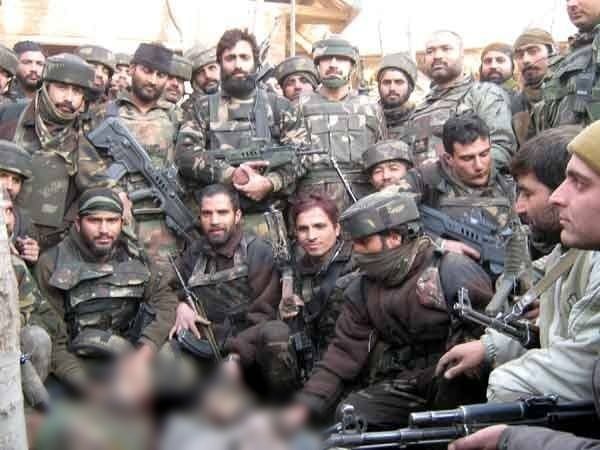
India is strengthening its military preparedness along its disputed Himalayan border with China by establishing specialised commando units trained in close-quarters combat, high-altitude warfare and drone operations amid renewed security tensions between the Asian powers. The new units, known as Shaurya Commandos, are being developed within the Indo-Tibetan Border Police (ITBP), which guards India’s 3,488-kilometre frontier with China.
According to a report by Nikkei Asia, the specialised teams will respond rapidly to confrontations involving Chinese troops, particularly in mountainous areas where conventional military operations face significant logistical challenges.
TBP Director General Shatrujeet Kapur confirmed that the units had already participated in managing recent confrontations along the disputed Line of Actual Control (LAC) in Arunachal Pradesh.
Kapur disclosed that at least one Shaurya commando team had been established in every ITBP battalion, with plans to expand the formation into a dedicated elite battalion.
The commandos are receiving specialised training in hand-to-hand combat, mountaineering, high-altitude survival, surveillance and advanced weapons handling.
Their preparation reflects lessons from the deadly June 2020 Galwan Valley confrontation, when Indian and Chinese troops fought with stones, clubs and other improvised weapons.
The clash killed 20 Indian soldiers and four Chinese personnel, marking one of the most serious military confrontations between the countries in decades.
Unlike conventional assault troops, the Shaurya units will focus primarily on defensive operations, border protection and containing confrontations before they escalate.
India is also investing heavily in unmanned aerial systems to strengthen surveillance and counter Chinese technological capabilities.
Kapur revealed that approximately 70 percent of the ITBP’s 400-crore-rupee modernisation budget had been spent on drones.
Additional funding has been earmarked for drone systems, operator training and counter-drone technology.
The developments follow reports of renewed confrontations in Arunachal Pradesh, where troops from both countries have faced each other at several disputed locations.
India’s Foreign Ministry accused Chinese forces of departing from established patrolling arrangements, while emphasising that diplomatic and military communication channels remain operational.
The opposition Congress party has demanded greater transparency from Prime Minister Narendra Modi’s government regarding the border situation.
Despite tensions, New Delhi and Beijing continue negotiations aimed at preventing further military escalation.
The expansion of India’s commando capabilities highlights its determination to strengthen border security while maintaining dialogue with China.
However, analysts caution that specialised forces alone cannot resolve longstanding territorial disputes without sustained diplomatic engagement and effective crisis-management mechanisms.



















