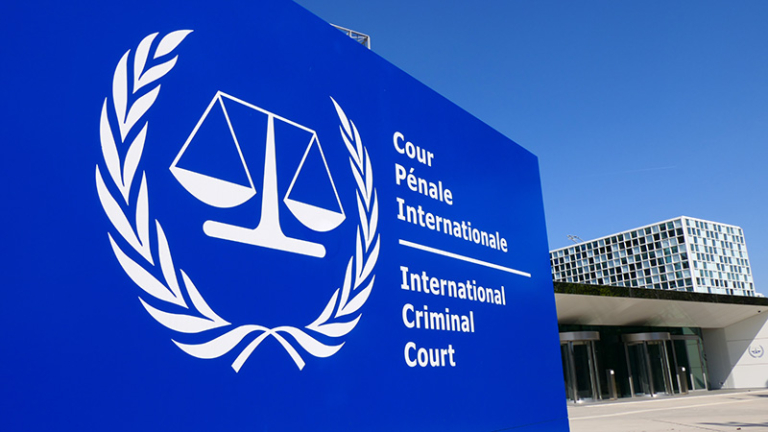
THE HAGUE — The current and former presidents of the International Criminal Court’s governing body have warned that efforts to isolate the court diplomatically are aimed at weakening not only the ICC, but confidence in the wider international legal order.
In a joint opinion article published on Thursday by the law and policy journal Just Security, Päivi Kaukoranta, president of the ICC’s Assembly of States Parties, and seven former presidents said campaigns to pressure countries to withdraw from the Rome Statute or support measures against the court risk undermining the rules-based system created to prosecute the world’s gravest crimes.
“Efforts to isolate the Court diplomatically — whether by encouraging States Parties to withdraw from the Rome Statute or urging non-States Parties to join measures intended to weaken it — are aimed at eroding not only one institution, but confidence in the international legal order itself,” they wrote.
The authors said the ICC represents a collective decision by sovereign states to create a permanent court capable of addressing genocide, crimes against humanity, war crimes and the crime of aggression. They stressed that the court does not replace national justice systems, but acts only when states are unwilling or unable genuinely to investigate and prosecute such crimes.
“The ICC is a court of last resort,” they wrote, rejecting arguments that membership in the court necessarily undermines sovereignty. They argued that states exercise sovereignty when they join treaties and institutions designed to enforce shared legal commitments.
The statement comes amid mounting pressure from the administration of US President Donald Trump, which has sanctioned ICC judges and officials and encouraged countries to distance themselves from the court. Reuters reported that the campaign includes pressure on member states to quit the ICC, prompting concern among US allies and legal challenges from judges and advocacy groups.
The United States is not a party to the Rome Statute and has long opposed ICC jurisdiction over US citizens and allies. Washington’s hostility has intensified over the court’s cases involving Israeli Prime Minister Benjamin Netanyahu and past scrutiny of alleged crimes involving US personnel. Israel has rejected the court’s actions, while the Trump administration has framed its sanctions as a defence of US sovereignty and its allies.
The Assembly presidency has previously condemned Washington’s sanctions, saying they threaten the ICC’s independence and could impede investigations and prosecutions involving the most serious international crimes. The ICC said the latest US measures added to earlier designations targeting the leadership of the prosecutor’s office and several judges.
In their op-ed, the current and former assembly presidents framed the dispute as a broader test of whether international law applies equally or only when powerful governments accept it.
“The choice before us is between a world based on the rule of law and one where might decides what is right,” they wrote.
They called on the ICC’s 125 member states, regional organisations and supporters of international justice to give the court political, legal and practical backing, and to help governments resist pressure to weaken it.
The warning comes as the Trump administration has also withdrawn from or cut ties with several international bodies, including UN agencies and human rights institutions. For ICC supporters, the pressure campaign represents a serious challenge to accountability for mass atrocities. For Washington, it is part of a broader pushback against institutions it says threaten national sovereignty.
The court’s defenders say the stakes go beyond one institution. They argue that weakening the ICC would embolden perpetrators of atrocities and erode one of the few permanent mechanisms available to victims when national courts fail to act.