

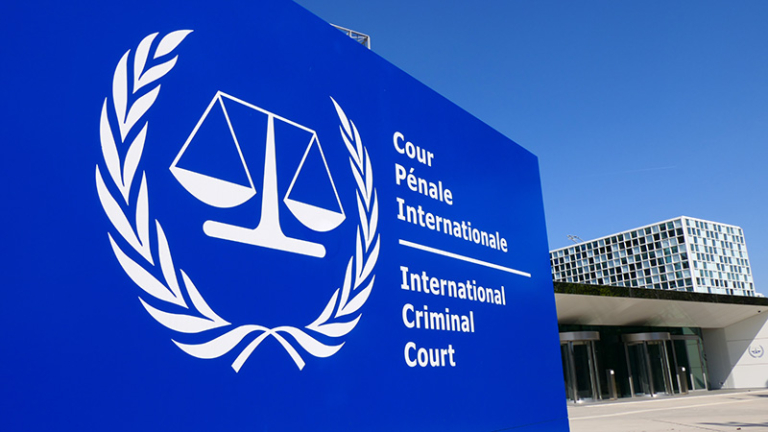
THE HAGUE, Netherlands |
The International Criminal Court (ICC) has formally closed part of its investigation into alleged war crimes committed by American troops and intelligence personnel in Afghanistan, marking a significant development in the long-running legal dispute between Washington and the international tribunal. The decision, issued Thursday and made public Friday, also ends investigations involving the Islamic State Khorasan Province (ISIS-K), while allowing prosecutors to continue examining alleged crimes committed by the Taliban since their return to power in August 2021.
ICC judges explained that prosecutors had failed to demonstrate their ability to effectively investigate the earlier allegations, citing serious difficulties in obtaining evidence and conducting investigations. However, the court’s Office of the Prosecutor confirmed that it had already appealed the ruling, leaving the dispute subject to further judicial proceedings. The Afghanistan investigation was authorised in 2020 and originally covered alleged atrocities committed by American soldiers, US intelligence operatives, Afghan government forces and Taliban fighters dating back to 2002. Prosecutors previously examined allegations involving torture, mistreatment of detainees and other possible violations of international humanitarian law.
However, investigations involving American personnel had effectively remained inactive since 2021, when prosecutors shifted their attention towards crimes attributed to the Taliban and other armed groups. The latest decision comes amid escalating tensions between the ICC and President Donald Trump’s administration, which has repeatedly rejected the court’s authority to investigate American citizens. Washington has imposed sanctions against the institution and 13 current and former employees, citing investigations involving US personnel and arrest warrants against senior Israeli officials. Secretary of State Marco Rubio has publicly threatened further action against the court, accusing it of exceeding its authority.
The United States is not a party to the Rome Statute, which established the ICC, and maintains that the tribunal should not exercise jurisdiction over American nationals without Washington’s consent. However, Afghanistan is an ICC member state, meaning the court can investigate alleged international crimes committed on Afghan territory regardless of a suspect’s nationality. The decision does not overturn that legal principle or establish that American personnel committed no wrongdoing.
Meanwhile, the separate Taliban investigation remains active, with arrest warrants against four senior Taliban leaders still in force over allegations of gender-based persecution. The development raises renewed questions about international accountability, the practical limitations facing war crimes investigators and the impact of political pressure on global justice institutions. With prosecutors challenging the ruling, the future scope of the Afghanistan investigation remains subject to further judicial review.



















