

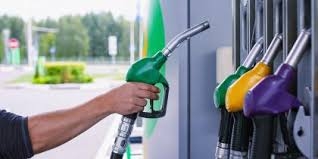
France has announced plans to release strategic diesel reserves to ease rising fuel prices, as European governments confront mounting concerns over energy supplies amid escalating tensions in the Middle East and disruptions to shipping through the Strait of Hormuz. French Prime Minister Sébastien Lecornu said the government would make diesel reserves available to fuel distributors in an effort to reduce prices at filling stations and provide relief to motorists and businesses struggling with higher transportation costs.
According to Lecornu, the intervention could lower diesel prices by approximately 12 to 18 euro cents per litre. He said he would sign a decree authorising the release, with the measure expected to remain in effect for three months.
The French government has also called on state-owned electricity company Électricité de France (EDF) to maximise its electricity production capacity to prevent further increases in household and industrial energy bills during the winter.
The measures come as fuel prices continue to climb across Europe, driven partly by instability in the Middle East and shipping disruptions through the strategically important Strait of Hormuz, a major route for global oil transportation.
French television channel TF1 reported that average diesel prices reached €2.35 per litre on Tuesday, while SP95-E10 petrol, the country’s most widely sold gasoline grade, stood at €2.14 per litre.
Meanwhile, Slovak Prime Minister Robert Fico warned on Wednesday that Europe faces serious challenges in securing sufficient oil and petroleum products ahead of the colder months.
Fico attributed the growing pressure to several factors, including the conflict involving Iran and the United States, declining European refining capacity and increasing dependence on imported petroleum products. He expressed particular concern about diesel shortages, warning that tightening supplies could push prices even higher and place additional financial pressure on European industries and consumers.
The Slovak leader argued that individual national interventions would not be sufficient to address the wider energy challenges facing the European Union.
He called for coordinated action among EU member states and expressed hope that an upcoming European summit would produce practical measures to stabilise fuel supplies and prices.
Concerns have also intensified following reports of a possible United States restriction on diesel exports, which could further tighten international supplies if implemented.
European Commission President Ursula von der Leyen confirmed in a social media statement that rising energy prices and possible EU responses would feature prominently in discussions at the forthcoming summit.
The situation has renewed concerns about Europe’s vulnerability to international energy disruptions, particularly as colder weather approaches and demand for heating fuels and electricity increases. While France’s planned release of diesel reserves could provide temporary relief, European leaders face broader questions about refining capacity, import dependence and long-term energy security.
The proposed French intervention has not yet demonstrated a measurable reduction in pump prices, and its eventual impact will depend on market conditions and implementation.



















