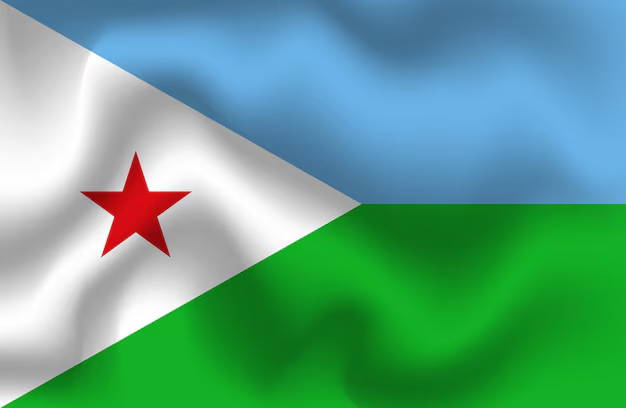
Djibouti’s long-serving President Ismail Omar Guelleh has won a sixth term in office after securing 97.8% of the vote in Friday’s presidential election, according to official results released Saturday. Interior ministry figures said his sole challenger, Mohamed Farah Samatar of the Unified Democratic Centre, took just 2.2%, confirming a landslide outcome that had been widely expected in the small Horn of Africa nation. State media and international reports said turnout was 80.4%.
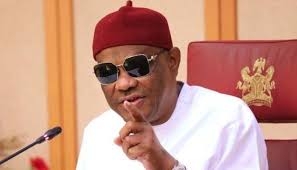
Guelleh, 78, declared himself “re-elected” on social media even before the formal announcement, after early results showed him with an overwhelming lead. He has ruled Djibouti since 1999, when he succeeded his uncle, Hassan Gouled Aptidon, and has remained firmly in control of a political system critics say leaves little room for genuine competition. His 2021 re-election was also by a margin above 97%, in a vote largely boycotted by major opposition parties.
This year’s election was shaped by a constitutional change that cleared the way for Guelleh to run again. Lawmakers removed the presidential age limit last year, allowing him to seek another mandate despite previously being expected to step aside. Reuters reported that parliament also removed a requirement for a constitutional referendum in some cases, further easing his path to continued rule.
There was little doubt about the result from the outset. Samatar, a former ruling-party member and little-known opposition figure, struggled to build a visible campaign, while Guelleh dominated the race with broad state visibility, posters across the capital and large rallies. Analysts quoted by international media described the contest as lacking meaningful stakes, with opposition parties divided and much of the electorate resigned to another Guelleh victory.
Guelleh’s durability in office is tied not only to domestic political control but also to Djibouti’s strategic importance. The country sits at the mouth of the Bab al-Mandeb Strait, one of the world’s busiest shipping routes, and hosts military bases for the United States, France, China, Japan and Italy. That location has helped Guelleh turn Djibouti into a major military and maritime hub, generating revenue and diplomatic leverage even as his government faces criticism over repression, weak political freedoms and limited press space.