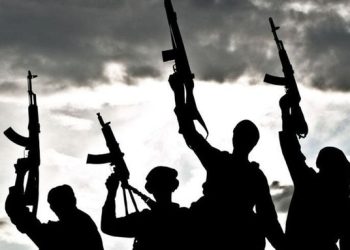
Nigeria’s Federal Government has published an updated sanctions list naming dozens of individuals and organisations allegedly linked to terrorism financing, in a move that came just a day after authorities concluded the latest phase of mass terrorism trials in Abuja. The list was released by the Nigeria Sanctions Committee, which maintains the country’s official terrorism sanctions register, while the trials ended with 386 convictions out of 508 cases handled over four days.
The timing underscored the government’s attempt to show a broader crackdown not only on suspected fighters but also on the financial and logistical networks believed to sustain extremist violence. According to reporting on the trial process, the ninth phase of the mass hearings was led by the Office of the Attorney General and involved 10 Federal High Court judges. The Attorney General, Lateef Fagbemi, said the convictions were meant to send a clear message that terrorism and its financing would not be tolerated in Nigeria.
The sanctions register itself shows that several of the names and groups highlighted in your draft are indeed on the official Nigeria sanctions list. The committee’s public database includes designations for IPOB, Boko Haram, and other extremist-linked entries, and it also carries a record for Simon Ekpa, whom NIGSAC says was designated over alleged fundraising activity tied to violence. Under Nigeria’s sanctions regime, listed persons and entities are subject to asset freezes and reporting requirements for financial institutions and designated businesses.
One important caution is that inclusion on the sanctions list is not the same thing as a fresh criminal conviction in a Nigerian court. In some cases, the list reflects prior designations, intelligence assessments, or ongoing prosecutions rather than newly completed trials. That distinction matters especially for figures such as Tukur Mamu, whose terrorism case is still before the Federal High Court. Reporting earlier this year indicated that the prosecution had closed its case, but his matter remained unresolved in court.
Africa Check reported in late 2025 that a Finnish court had sentenced Ekpa to six years in prison on terrorism charges, rejecting false online claims that he had been freed. Nigeria’s sanctions database separately lists him with a narrative summary tied to alleged fundraising and support activity.