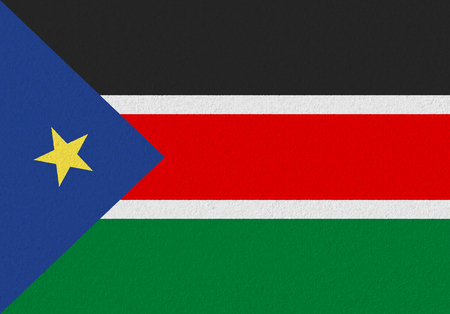
Weeks of heavy rainfall have unleashed catastrophic flooding across Unity State in South Sudan, submerging homes, schools, and health facilities and cutting off entire communities. Livestock deaths and the destruction of farmland and pastures have compounded the crisis, threatening food security for months to come.
Local authorities say efforts are underway to assist those affected and relocate families to safer ground. Bayath Ruai Wel, Unity State’s Minister of Roads and Bridges, said officials are prioritizing land allocation for those displaced. “Our target is to give, to distribute, this land to the IDPs and the returnees who are coming from Sudan, and the IDPs who are displaced by the water, by the floods,” he noted.
Contaminated water sources are driving urgent needs for safe drinking water and sanitation. Community leaders say recovery hinges on receding waters and rapid infrastructure repairs. Kuol Kueth, chief of Thou-Mangor-Island, voiced cautious optimism: “We hope that once the water is pumped out, we will be able to access pasture for our cattle, rebuild our homes, cultivate the land, and reduce our dependence on food aid brought from far away.”
Humanitarian agencies are reinforcing flood defenses to protect remaining dry areas. The International Organization for Migration (IOM) is bolstering dykes around vulnerable settlements to limit further inundation and buy time for relief operations. Despite these efforts, the scale is immense: authorities estimate around 70% of the area is underwater, with approximately 220,000 people affected.
Priority needs include emergency shelter, food assistance, safe water, sanitation and hygiene services, health care, and support to restore livelihoods. With more rains possible, officials and aid groups are urging sustained support to stabilize communities, prevent disease outbreaks, and enable families to return, rebuild, and replant as soon as conditions allow.