

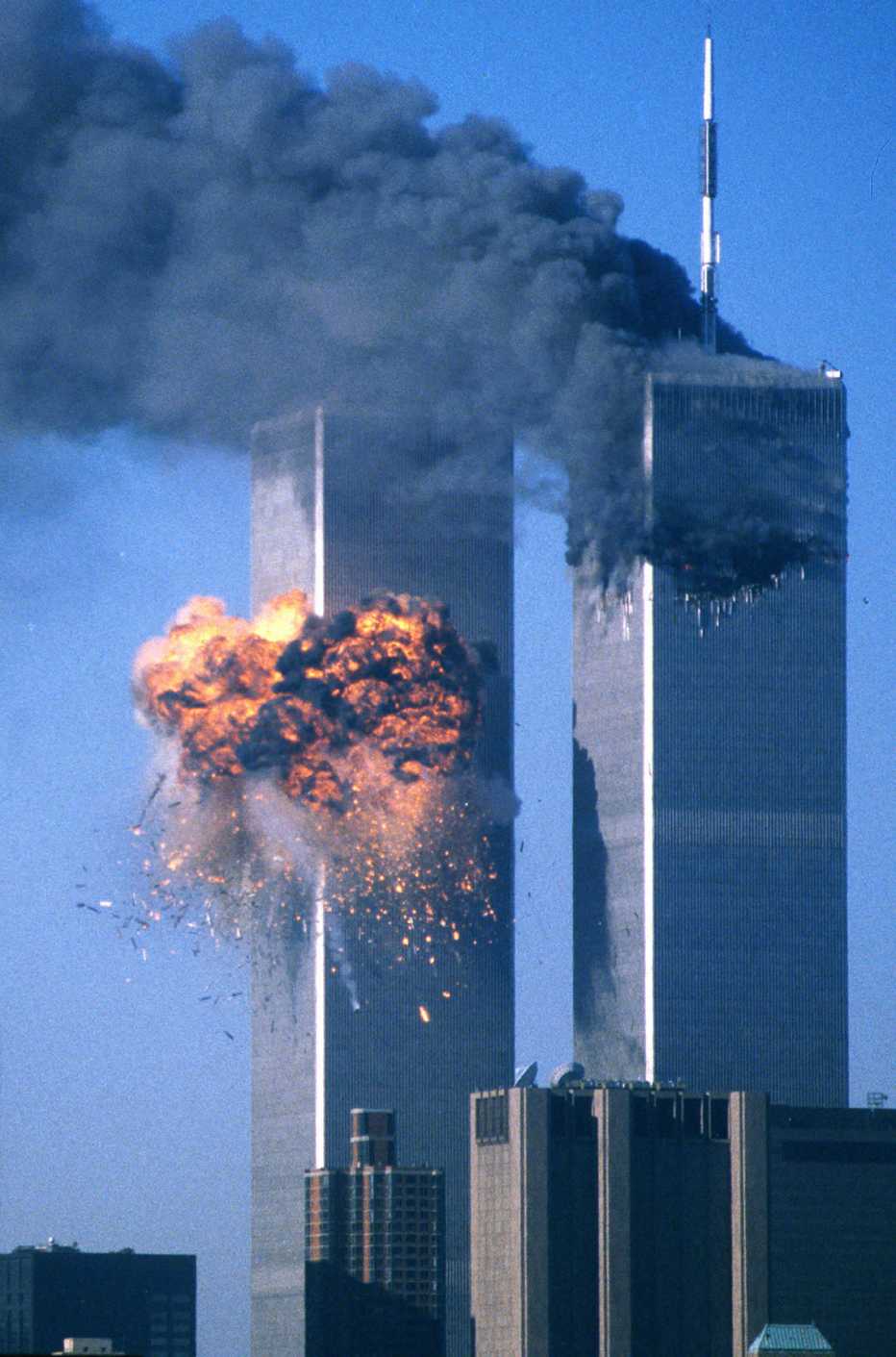
WASHINGTON — The CIA has released dozens of declassified presidential briefing documents showing how US intelligence officials tracked Osama bin Laden and al-Qaeda in the years before the September 11, 2001, attacks, offering a new public look at warnings, threat assessments and gaps in understanding before the deadliest attack on US soil.
The documents were released on Friday to mark the 25th anniversary of the attacks, in which nearly 3,000 people were killed after al-Qaeda hijackers crashed planes into New York’s World Trade Center, the Pentagon and a field near Shanksville, Pennsylvania. CIA Director John Ratcliffe described the release as “an act of exceptional transparency” and said it was the agency’s single largest release of declassified Presidential Daily Brief material related to 9/11.
The Presidential Daily Brief is one of the US intelligence community’s most sensitive products, prepared for the president and senior national security officials. The newly released files include 70 documents from before the attacks and one from September 12, 2001, according to CBS News.
The records show analysts tracking bin Laden’s movements, financing, support network and possible plans to strike US interests. One February 1998 briefing prepared for then-President Bill Clinton was titled “Terrorists Seeking WMD Capability” and referred to bin Laden and other extremists. Another April 1998 document examined the Taliban’s unwillingness to hand over bin Laden, then based in Afghanistan, because of its ties to him and gratitude for support during the Soviet occupation.
Some of the most striking warnings came months before the attacks. The Wall Street Journal reported that intelligence officials warned in September 1998 that bin Laden wanted to strike the United States with an explosive-laden plane flown into an American city.
A December 1998 briefing also discussed possible hijackings, saying members of bin Laden’s network had received hijack training and that conspirators had tested airport security at an unidentified New York airport. Other documents described al-Qaeda interest in “dirty bombs,” conventional explosives mixed with radioactive material, and experiments intended to increase the destructive power of explosives.
The September 12, 2001, briefing included information from a source indicating that the attacks had been planned for two years and that the US Capitol had also been targeted.
Many of the documents remain redacted to protect intelligence sources, methods and identifying details. The Associated Press reported that the release does not appear to fundamentally change the known history of the 9/11 plot or the government’s understanding of the attacks, but it adds detail to how analysts assessed al-Qaeda’s intentions before the hijackings.
The release comes as the US again reflects on the long consequences of 9/11, including the wars in Afghanistan and Iraq, major changes to domestic security, the expansion of counterterrorism powers and continuing questions from victims’ families about what more remains classified.
For historians and national-security analysts, the newly declassified briefs show a familiar but painful pattern: intelligence agencies saw signs of danger, tracked bin Laden closely and warned repeatedly of possible attacks, but still lacked the precise information needed to prevent the plot that changed the United States and the world.



















