

ALGIERS, Algeria
Algerian President Abdelmadjid Tebboune has ordered the deployment of military forces to neighbouring Niger to protect shared energy and economic interests, marking a historic shift in the country’s longstanding policy against military intervention abroad.
The decision, announced by the Algerian presidency on Monday, follows emergency parliamentary approval and a formal request for military assistance from Niger’s authorities.
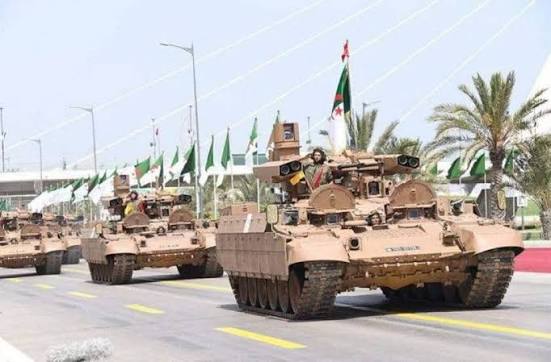
Both chambers of Algeria’s parliament approved the deployment on Sunday, authorising units of the People’s National Army to operate in Madama, northern Niger, near the Libyan border.
If implemented, the mission would represent Algeria’s first overseas ground troop deployment since 1973, when it sent forces to support Egypt during the Arab-Israeli war.
However, authorities have not disclosed the number of soldiers involved, the deployment timetable or the mission’s expected duration.
According to the presidency, the military operation is intended to safeguard important energy installations and infrastructure linked to bilateral economic cooperation.
Algerian Senator Belkacem Boulghiti explained that the troops would primarily protect oil facilities and other strategic investments rather than participate in offensive military operations.
The deployment comes as Algeria’s state-owned energy company, Sonatrach, advances cooperation with Niger and Nigeria on the proposed Trans-Saharan Gas Pipeline.
The ambitious project seeks to transport Nigerian natural gas through Niger to Algeria for export to international markets, particularly Europe.
The military decision also reflects improving relations between Algiers and Niamey following months of diplomatic tension.
Relations deteriorated after Niger’s July 2023 military coup, which removed President Mohamed Bazoum and brought General Abdourahamane Tiani to power.
Algeria initially opposed the takeover, while tensions intensified after Algerian forces shot down a Malian drone near their shared border region.
However, recent diplomatic engagements and defence cooperation have helped rebuild relations.
In August, Algeria dispatched fighter jets and support aircraft to Niger following what Algerian officials described as an attempt to destabilise the country’s military government.
The latest deployment also comes amid worsening insecurity across the Sahel, where armed groups affiliated with al-Qaeda and the Islamic State have carried out deadly attacks.
Years of violence have killed thousands and displaced millions across the wider region.
Algerian officials maintain that the mission is defensive and focused on protecting mutual economic interests.
Nevertheless, the decision represents a significant development in regional security cooperation, raising questions about Algeria’s expanding military role beyond its borders.
Attention now turns to when the troops will arrive and how their mission will operate.



















