

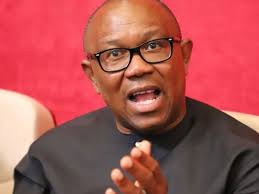
Former Labour Party presidential candidate and ex-Anambra State governor, Peter Obi, has condemned the latest wave of killings in Benue and Plateau states, describing the attacks as heartbreaking and urging the government to adopt a more proactive approach to tackling insecurity.
In a statement shared on his X account on Monday, Obi reacted to the recent attacks in Otukpo, Benue State, and Riyom Local Government Area of Plateau State, where several people, including members of the same family, lost their lives. He said the recurring bloodshed had left communities devastated and displaced thousands of residents.
“The relentless cycle of bloodshed in parts of our country has persisted for far too long.”
“For years, families in Benue, Plateau and other communities across Nigeria have lived under the constant shadow of fear, violence and displacement. Mothers have buried their children, children have become orphans overnight, farmers have abandoned their lands, and entire communities have been left devastated.”
“We cannot continue to accept this tragic cycle as though it were normal. It is not.”
Obi stressed that protecting lives and property remains the foremost responsibility of government, insisting that every life lost represents a painful national tragedy.
“The primary responsibility of any government is the protection of lives and property. Every Nigerian life is sacred, and every life lost is one too many.”
Calling for a shift from reactive responses, Obi urged authorities to build an intelligence-driven security system capable of preventing attacks before they occur. He also demanded the arrest and prosecution of those responsible for the killings.
“The time has come to move beyond routine condemnations after every attack. Nigerians deserve a security architecture that is proactive rather than reactive, driven by intelligence, rapid response and accountability. Those responsible for these atrocities must be identified, arrested and prosecuted. The culture of impunity must end.”
He extended condolences to the bereaved families and the governments of Benue and Plateau states, maintaining that the crisis transcends politics and requires a united national response.
“This is not about politics; it is about humanity. We must summon the collective will to secure our nation and restore hope to our people. No country can develop when its citizens live in fear, and no society can prosper when innocent blood continues to flow unchecked.”



















