The arrival of the United States’ most advanced aircraft carrier strike group in the Caribbean is stirring a mix of anxiety, defiance and cautious hope on the streets of Caracas, as tensions between Washington and President Nicolás Maduro’s government intensify.
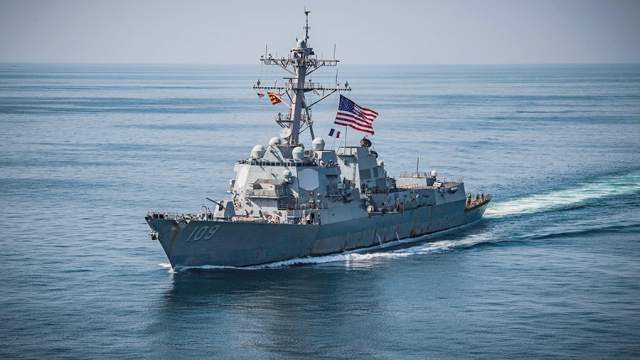
The USS Gerald R. Ford Carrier Strike Group has deployed to support other US warships conducting operations against suspected drug-trafficking vessels in the region over the past two months. Washington insists the buildup is aimed at disrupting narcotics flows to the United States, but Caracas accuses the US of using counternarcotics as a pretext for regime change.
Some US officials have privately acknowledged that the broader strategy is geared toward pressuring Maduro from power, fuelling fears in Venezuela that the standoff could escalate.
In Caracas’ El Rosal office district, many residents say the US should not be intervening so close to Venezuelan shores.
“It seems the United States shouldn’t interfere in that way. I think it’s an abuse,” said housewife Noemí Lozada.
Salesman José Román admitted he feels there is “an imminent threat” but noted that daily life appears largely unchanged. “We are not a warmongering country. I don’t think we ever have been, and I don’t think anyone here has prepared for this, nor will they,” he said.
Others voiced readiness to defend the country if tensions boil over. “We are Venezuelans and we will die with our boots on… I will defend my homeland to the death,” said personal trainer Frank Molina.
Reports in US media say the Trump administration has examined options to target cocaine facilities and trafficking routes inside Venezuela, though officials have also told Congress that Washington currently lacks a clear legal basis for such strikes. Legal justifications are said to be under review.
Inside Venezuela, national television channels are closely covering the US deployment, but largely echo the government’s line. Maduro’s administration keeps tight control over the airwaves, warning outlets that stray from the official narrative. Online, however, social media is rife with speculation that political change may be imminent.
Some Venezuelans cautiously welcome the US presence, hoping it could trigger an end to the country’s deep economic and humanitarian crisis. “I think most of them are happy … about the arrival of the aircraft carrier,” said one administrator, who asked not to be named. Another woman, also unnamed for security reasons, said simply: “We need help from the United States, unquestionably.”
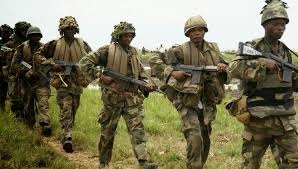
Defense Minister Vladimir Padrino López has announced a “massive mobilization” of land, air, naval and reserve forces, denouncing the US deployment as an “imperialist threat.” The drills are scheduled to run through Wednesday.
US Defense Secretary Pete Hegseth ordered the Gerald R. Ford strike group to redeploy from Europe late last month. The carrier is accompanied by nine air squadrons, anti-surface warfare assets and the integrated air and missile defense command ship USS Winston S. Churchill.