

LAGOS, NIGERIA
The University of Lagos (UNILAG) and the University of Birmingham in the United Kingdom have officially launched two joint postgraduate programmes in artificial intelligence and digital media, opening a new pathway for Nigerian students to access international-standard education without travelling abroad. The initiative, unveiled in Lagos on Thursday, October 15, 2026, introduces a Master of Science in Artificial Intelligence and Data Technologies and a Master of Arts in Digital Media and Communications.
Both programmes will run for one year, with academic activities scheduled to begin in September 2027. The partnership follows a Memorandum of Understanding signed by both universities on January 29, 2026, under Nigeria’s transnational education framework.
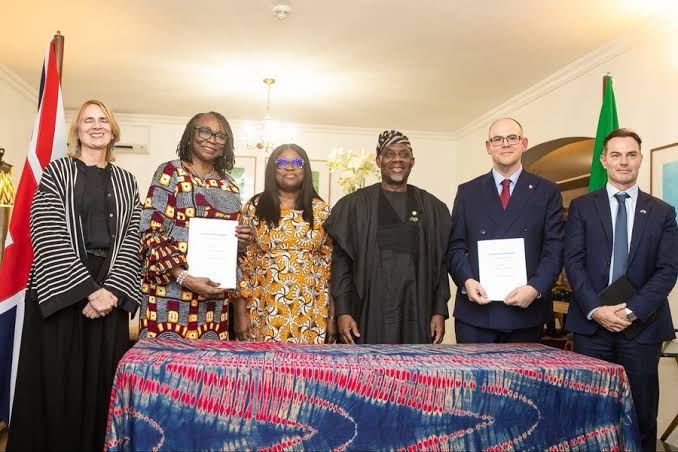
Minister of Education Dr Maruf Tunji Alausa attended the launch alongside UNILAG Vice-Chancellor Professor Folasade Ogunsola and University of Birmingham Provost Professor Nick Vaughan-Williams. Alausa described the collaboration as a significant advancement in Nigeria’s efforts to modernise higher education, strengthen international academic cooperation and prepare graduates for emerging global employment opportunities.
He said the initiative aligns with President Bola Tinubu’s education reform agenda and the government’s commitment to expanding access to globally competitive qualifications. The artificial intelligence programme will provide specialised training in machine learning, deep learning, computer vision, large language models, data management and AI ethics. Students will develop practical skills applicable to financial technology, healthcare innovation, intelligent systems and business analytics.
Meanwhile, the digital media programme will focus on digital communication, content creation, broadcasting, research methods, media ethics and the evolving influence of technology on modern society. Professor Vaughan-Williams said the collaboration would support Nigeria’s growing demand for highly skilled professionals while strengthening entrepreneurship, research and innovation. Ogunsola welcomed the partnership, describing it as an important step towards internationalising Nigerian higher education and modernising university curricula.
British Deputy High Commissioner Jonny Baxter also praised the initiative, highlighting its potential to strengthen educational and economic cooperation between Nigeria and the United Kingdom. Education officials believe the arrangement could reduce the financial burden associated with overseas postgraduate studies while allowing students to gain internationally relevant skills within Nigeria.
The federal government has also disclosed plans to explore additional undergraduate programmes in disciplines aligned with labour-market demands. However, detailed tuition fees and admission requirements have yet to be publicly announced. The collaboration marks another step towards positioning Nigerian universities as partners in international education, while equipping graduates to compete in an increasingly technology-driven global economy.



















