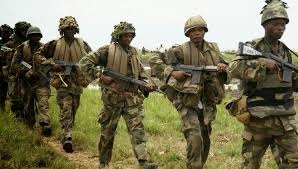
ABUJA, — The United States is sending about 200 additional troops to Nigeria in a training-and-advisory mission, weeks after President Donald Trump authorized Christmas Day airstrikes on ISIS-linked targets in Sokoto State, according to Nigerian military officials and U.S. reporting. Nigerian authorities say the incoming U.S. personnel will not take part in combat operations and will not command Nigerian units. Instead, they are expected to provide technical support, intelligence-related assistance, and training as Abuja confronts worsening militant violence in parts of the north.
The latest movement follows AFRICOM’s earlier confirmation that a small U.S. team was already in Nigeria — the first formal acknowledgment of American forces on the ground after the December strikes. AFRICOM said those strikes were carried out in coordination with Nigerian authorities and killed “multiple” ISIS militants.
Washington’s posture has sharpened amid criticism from Trump and some U.S. lawmakers over attacks on Christian communities. Nigerian officials reject claims of religious bias, insisting security operations target armed groups threatening both Christians and Muslims. Reuters and AP reporting note that many victims of northern violence are Muslims, even as Christian communities have also suffered deadly attacks. Security analysts say the expanded U.S. footprint reflects a broader shift from episodic intelligence support toward more sustained partner-force enablement in West Africa, especially as Sahel instability spills southward.
For Nigeria, the strategic calculus is delicate: gaining external support without appearing to dilute sovereignty. Military spokespeople have emphasized that operational control remains fully Nigerian, a message aimed at domestic critics wary of foreign troops on national soil. What happens next depends on outcomes. If the advisory mission improves intelligence fusion, force protection, and strike accuracy, officials may present it as a model for limited international security cooperation. If violence persists or civilian harm rises, political resistance to external involvement could grow quickly.