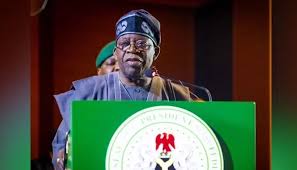
ABUJA, Nigeria — President Bola Tinubu has confirmed he will seek a second and final term in office after winning the presidential ticket of the ruling All Progressives Congress for the 2027 general election.
Tinubu secured the nomination after a landslide victory in the APC presidential primary, according to results released on Sunday. The outcome was widely expected, as the party had earlier endorsed him as its preferred candidate and senior APC figures had repeatedly signalled support for his re-election bid.
The president, who was first elected in 2023, is expected to be formally presented as the party’s candidate at a ceremony in Abuja. His nomination sets the stage for another high-stakes election in Africa’s most populous country, where economic hardship, insecurity and opposition realignment are likely to dominate the campaign.
Tinubu has defended his first-term reforms, including the removal of petrol subsidies and the liberalisation of the foreign exchange market, arguing that they were necessary to stabilise public finances and attract investment. The APC has praised the measures as courageous steps toward economic recovery, though critics say they have worsened inflation, raised transport costs and deepened hardship for many Nigerians.
The president’s allies say his re-election campaign will focus on consolidating reforms, improving infrastructure, expanding investment and strengthening national security. They also point to recent defections from opposition parties to the APC as evidence that the ruling party remains the strongest political force ahead of 2027.
But Tinubu is expected to face a more organised opposition than he did in 2023. Key opposition figures, including former Vice President Atiku Abubakar and former Anambra State governor Peter Obi, have been linked to coalition efforts aimed at preventing APC dominance and offering voters a united alternative. Reports have said opposition leaders are using the African Democratic Congress as a possible platform to challenge Tinubu.
The 2027 presidential and National Assembly elections are scheduled for January 16, 2027, while governorship and state assembly elections are expected to follow on February 6.
Under Nigeria’s constitution, a president may serve only two four-year terms. If Tinubu wins, it would be his final term in office.
The coming campaign is expected to test whether voters credit the administration for pursuing difficult reforms or punish it for the economic pain that has followed. For the APC, Tinubu’s nomination provides continuity and party control. For the opposition, it marks the beginning of a race to turn public frustration into an electoral challenge.