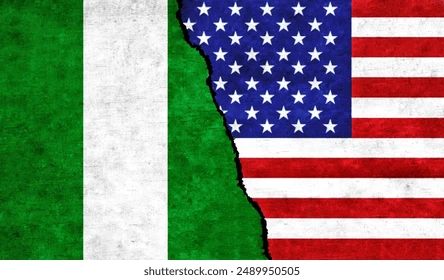
WASHINGTON — United States President Donald Trump has received Nigeria’s new ambassador to Washington, Kayode Are, in a diplomatic engagement that both sides say could open a new phase of stronger cooperation between the two countries.
Are presented his letters of credence to Trump at the White House, formally beginning his assignment as Nigeria’s envoy to the United States. The meeting comes at a sensitive but potentially important moment in U.S.–Nigeria relations, with both governments seeking closer engagement on security, trade, investment, energy, technology and migration.
Nigeria’s presidency and diplomatic officials have framed the meeting as a positive signal from Washington, especially after months of tension over insecurity, religious freedom concerns and U.S. criticism of violence in parts of Nigeria. The Trump administration had previously redesignated Nigeria as a “Country of Particular Concern” over religious freedom issues, a move that strained relations and prompted Abuja to insist that it remained committed to protecting all citizens regardless of faith.
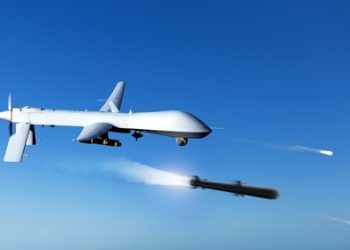
Despite those tensions, recent security cooperation between both countries has intensified. The Associated Press reported that joint U.S.–Nigerian operations recently killed 175 Islamic State-linked fighters in northeastern Nigeria, including senior militant commanders. U.S. Africa Command said the operation reflected deep intelligence and targeting collaboration between both militaries.
The United States has also expanded its advisory and intelligence-support role in Nigeria as Washington seeks to counter the growing strength of Islamic State affiliates across West Africa. U.S. officials have warned that Africa has become increasingly central to global terrorism threats, particularly as extremist groups exploit insecurity in the Sahel and Lake Chad region.
Are’s appointment is expected to focus heavily on rebuilding trust and deepening strategic dialogue. Nigerian officials are likely to press for stronger cooperation in defence, intelligence sharing, investment, agriculture, energy transition and technology partnerships. Washington, meanwhile, is expected to seek clearer commitments from Nigeria on human rights, democratic governance, religious freedom and regional security.
Nigeria remains one of America’s most important African partners, with deep people-to-people ties, a large diaspora community, and longstanding cooperation in education, health, business and security. The U.S. Embassy in Nigeria has also described bilateral ties as covering security, trade, health, education and culture.
For President Bola Tinubu’s administration, Are’s reception at the White House offers an opportunity to reset relations with Washington and present Nigeria as a reliable partner in Africa. For Trump, the engagement signals continued U.S. interest in Nigeria’s strategic role as Africa’s most populous country and a key player in regional stability.
Both sides now face the task of turning diplomatic warmth into practical outcomes.