Lafia, Nigeria — The Nigeria Security and Civil Defence Corps (NSCDC) in Nasarawa State says it is strengthening cooperation with the Independent National Electoral Commission (INEC) to improve the protection of electoral materials and sustain peace before, during and after elections across the state.
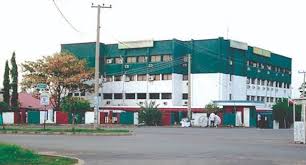
The State Commandant of the NSCDC, Commandant Brah Samson Umoru, disclosed this during a courtesy visit to the Resident Electoral Commissioner (REC) for Nasarawa State, Dr. Shehu Wahab, at INEC’s office in Lafia.
In a statement issued after the engagement by the Command’s Public Relations Officer, SC Victor Jerry, the Corps said the visit was part of a broader effort to deepen inter-agency synergy in support of credible elections and public safety.
According to the statement, Umoru assured INEC that the NSCDC would continue to support the commission’s constitutional mandate, with emphasis on election security operations, safeguarding sensitive materials and ensuring stability throughout the electoral process.
He said effective coordination among security agencies remains critical to the conduct of free, fair and credible elections, noting that the NSCDC would deploy personnel and technical capacity to protect INEC assets and support security arrangements around electoral activities statewide.
The NSCDC, whose responsibilities include the protection of critical national assets and infrastructure, has increasingly been deployed alongside sister agencies during election periods to secure INEC facilities, escort sensitive materials and maintain public order at distribution points, collation centres and other election-related locations.
Responding, Wahab thanked the NSCDC leadership for the visit and commended the Corps for what he described as consistent professionalism and support during previous electoral exercises.
He expressed confidence in the NSCDC’s ability to contribute to peaceful and orderly elections and called for sustained collaboration among all security agencies tasked with election duties, particularly in areas such as early warning, rapid response, and the protection of election personnel and materials.
The engagement comes as election management bodies and security agencies continue to emphasise coordinated planning, intelligence-sharing and joint deployment frameworks to reduce risks of violence, sabotage of election materials and disruptions to voting and collation processes.