The Independent National Electoral Commission (INEC) is preparing to put its election machinery through a practical test this Saturday, as it steps up efforts to avoid technical and organisational setbacks during the 2027 general elections.
The nationwide mock exercise, scheduled for November 28, will involve 17,676 polling units spread across the country. Two polling units have been selected from each of Nigeria’s 8,838 Registration Areas for the simulation.
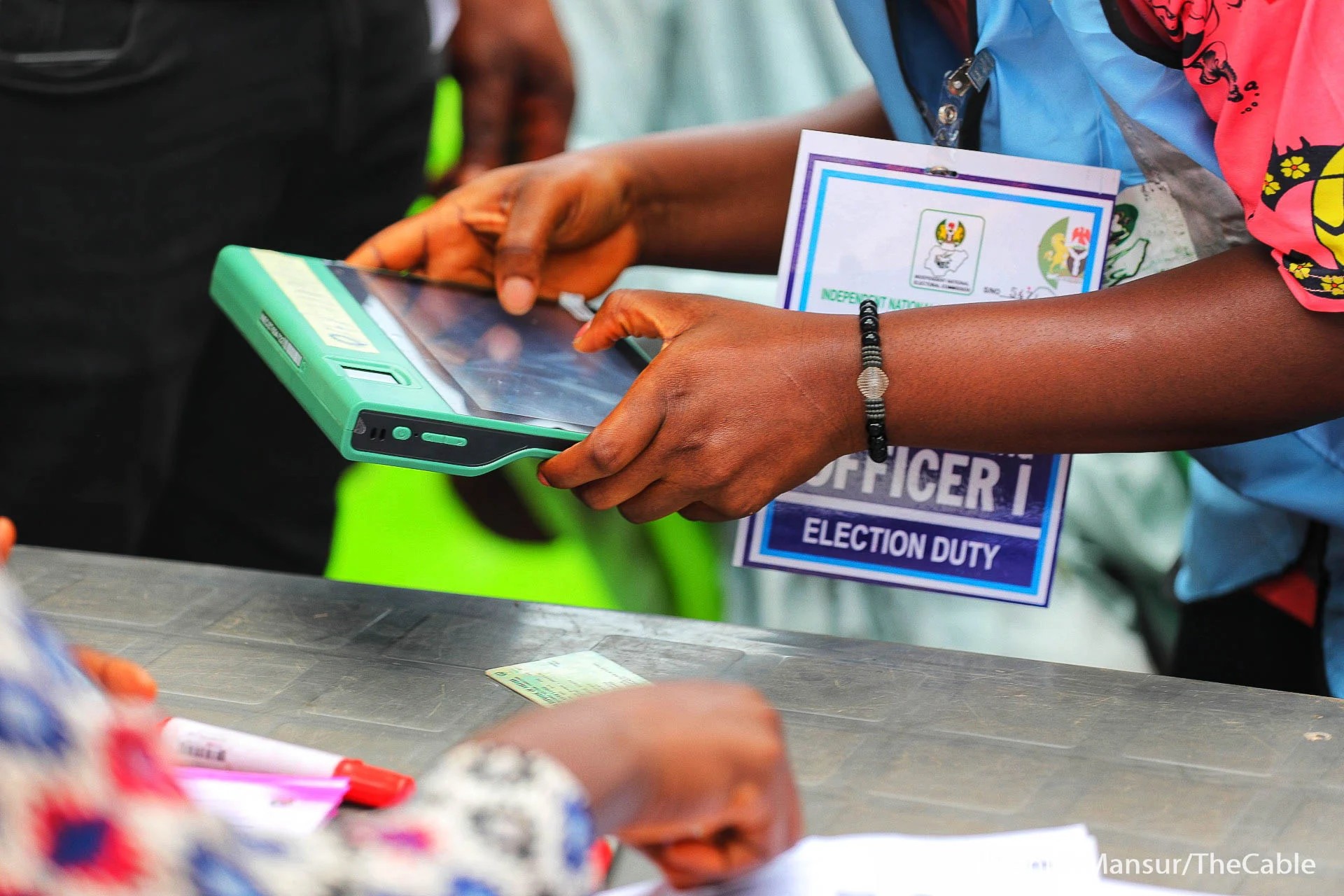
Between 8:30 a.m. and 2:30 p.m., electoral officials are expected to test the procedures that will be required on election day. Particular attention will be given to the Bimodal Voter Accreditation System (BVAS), which is used to authenticate and accredit registered voters.
The commission will also assess how efficiently election results can be uploaded electronically and accessed through its Result Viewing Portal (IReV). The performance of electronic result transmission has remained a sensitive issue since the 2023 general elections, making the forthcoming exercise an important part of INEC’s preparations.
At its headquarters in Abuja on Wednesday, November 25, INEC Chairman, Professor Joash Amupitan, brought Resident Electoral Commissioners together to review the preparations and address outstanding concerns.
He charged the commissioners with ensuring that the exercise runs properly in their respective states. They are also expected to document operational and technical difficulties and submit comprehensive reports to the national headquarters by November 30.
Among the issues requiring attention are unreliable network connections, malfunctioning equipment and problems that could disrupt the accreditation and voting process.
Amupitan also reminded the commissioners that successful elections depend on more than functioning technology. The timely movement of sensitive materials, transport arrangements, adequate security and the availability of trained temporary workers are equally important.
He called for closer working arrangements with transport operators and security agencies to prevent avoidable difficulties during the electoral process.
INEC has meanwhile revised the number of voters assigned to individual BVAS machines. The previous allocation of up to 1,250 voters per device has been reduced to 850. Polling units with larger electorates are expected to receive additional machines to prevent unnecessary queues.
The commission has also obtained about 57,000 new BVAS devices and provided climate-controlled storage facilities across the states to preserve the equipment.
The scale of the forthcoming elections presents a considerable organisational challenge. Amupitan put the expected electorate at more than 100 million registered voters, with over 1.41 million ad hoc personnel required for the exercise.
Under the announced timetable, Nigerians will elect the President and members of the National Assembly on January 16, 2027. Governorship and State Houses of Assembly elections are scheduled for February 6.
The November 28 simulation will give INEC an opportunity to examine its arrangements before the pressure of a nationwide election begins. More importantly, the problems identified will need to be addressed promptly if the commission is to avoid repeating difficulties that could undermine public confidence in the electoral process.