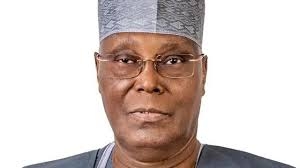
Nigeria’s oil revenue figures for the first half of 2026 have come under scrutiny, with former Vice-President Atiku Abubakar asking President Bola Tinubu to explain why earnings from the country’s major source of income fell short of expectations.
The concern follows a Budget Office of the Federation report which showed that the government collected ₦7.88 trillion in gross oil revenue between January and June 2026. This was considerably below the ₦18.65 trillion anticipated in the budget.
The difference between the projected income and actual collections amounted to approximately ₦10.78 trillion. Compared with the same six-month period in 2025, the country also recorded a reduction of ₦1.44 trillion.
Atiku raised the issue in a statement issued on Wednesday, November 25, 2026, through his Director of Strategic Communication, Phrank Shaibu.
He questioned the revenue performance, particularly against the background of higher international crude oil prices in the second quarter. He argued that the administration should explain why the increase in global prices had not translated into stronger earnings for Nigeria.
The former vice-president wants the government to open up its oil revenue records, including production figures, quantities sold, proceeds from crude oil liftings and deductions made before payments entered the Federation Account.
For him, the issue goes beyond government accounting. He argued that poor revenue collection could affect the resources available for essential public services, especially at a time when Nigerians are facing high living costs.
“Every missing naira from the budget is money that cannot support a school, equip a hospital or repair a road. President Tinubu owes Nigerians an explanation that follows the barrel from the oilfield to the public account.”
The Budget Office report also provided details of the difficulties affecting the sector. It identified production constraints, reduced crude oil output and lifting volumes, inadequate investment, weak sales receipts and deductions under the Petroleum Industry Act as factors contributing to the revenue performance.
Nigeria’s average crude oil production in the second quarter was 1.72 million barrels per day, compared with the budget assumption of 1.84 million barrels per day.
The report further highlighted crude oil theft, pipeline security concerns and insufficient investment in petroleum infrastructure.
Atiku wants the government to explain how it intends to tackle these challenges and improve accountability in the sector. He also restated his position on reducing the financial burden of domestically refined fuel on households and businesses.
“Our promise is clear: Make Nigeria Affordable Again. We will pursue accountable oil revenue and targeted relief from the cost of domestically refined fuel, so that the benefit reaches households, farmers, transporters and businesses. Subsidy follows the barrel.”
The figures require careful interpretation. The ₦1.44 trillion is the decline compared with the first half of 2025, while ₦10.78 trillion represents the difference between actual revenue and the 2026 budget projection.
Atiku is demanding an explanation for that performance. However, the reported shortfall alone does not establish that the money was stolen or misappropriated.