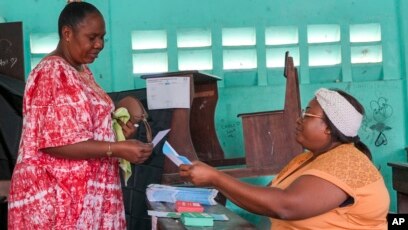
Gabonese voters went to the polls on Saturday in elections seen as key to consolidating the country’s transition after the 2023 coup ended more than five decades of Bongo family rule.
According to the Interior Ministry, about 1,600 candidates are contesting 145 seats in the National Assembly, while roughly 17,000 others are vying for municipal and departmental posts. Those local councilors will in turn choose mayors, heads of departmental assemblies and senators, making Saturday’s vote a crucial determinant of political control from the grassroots up.
The polls follow April’s presidential election, won overwhelmingly by coup leader-turned-civilian president Brice Oligui Nguema. His Democratic Union of Builders is among more than 20 parties on the ballot, alongside the long-dominant Gabonese Democratic Party (PDG) founded by former president Omar Bongo.
Authorities say extensive measures have been put in place to ensure a free, fair and transparent process, with international observers accredited to monitor voting, counting and tabulation. The government has urged calm and patience as results are compiled.
Beyond determining the balance of power in parliament, Saturday’s contests will shape the leadership of municipalities and departments, influence the composition of the Senate, and set the tone for governance under the new political order. For many Gabonese, the elections represent a test of whether the country can translate last year’s abrupt break with the past into durable institutions and accountable local administration.