Ethiopia is heading toward what observers describe as one of its least competitive electoral contests in recent years, amid concerns over restricted opposition participation, ongoing security challenges, and a tightly controlled political environment.
The upcoming vote is expected to proceed with limited contestation, as several opposition groups have either been weakened, excluded, or remain unable to operate freely in parts of the country. Political analysts say the conditions have significantly reduced the level of competition that typically characterises national elections.
The ruling Prosperity Party, led by Prime Minister Abiy Ahmed, is widely expected to dominate the polls, continuing its strong position in the country’s political landscape. However, critics argue that the absence of robust opposition engagement undermines the credibility of the electoral process.
Opposition figures and civil society groups have raised concerns over restrictions on political activity, including reports of arrests, administrative hurdles, and limited access to media platforms. These factors, they say, have created an uneven playing field ahead of the vote.
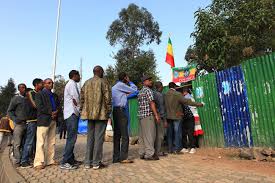
Security issues in several regions, particularly those affected by conflict or instability, have also raised questions about voter access and participation. In some areas, electoral preparations have reportedly been disrupted by ongoing tensions, further complicating efforts to ensure inclusive participation.
Election authorities maintain that preparations are underway to deliver a credible and orderly process, emphasizing improvements in voter registration, logistical planning, and electoral administration. Officials have also insisted that security measures are being strengthened to safeguard polling activities.
Despite these assurances, independent observers remain cautious, noting that the combination of political constraints and regional instability could impact turnout and overall competitiveness. Some have described the current environment as one of the least open in Ethiopia’s recent electoral history.
International partners are closely monitoring developments, with calls for transparency, inclusiveness, and respect for democratic norms throughout the process. They have also urged all political actors to engage peacefully and within the framework of the law.
The election comes at a critical time for Ethiopia, a country still navigating complex ethnic tensions, economic pressures, and post-conflict reconstruction in several regions.
As the vote approaches, attention remains focused on whether the electoral process will broaden political participation or reinforce concerns about shrinking democratic space in Africa’s second most populous nation.