

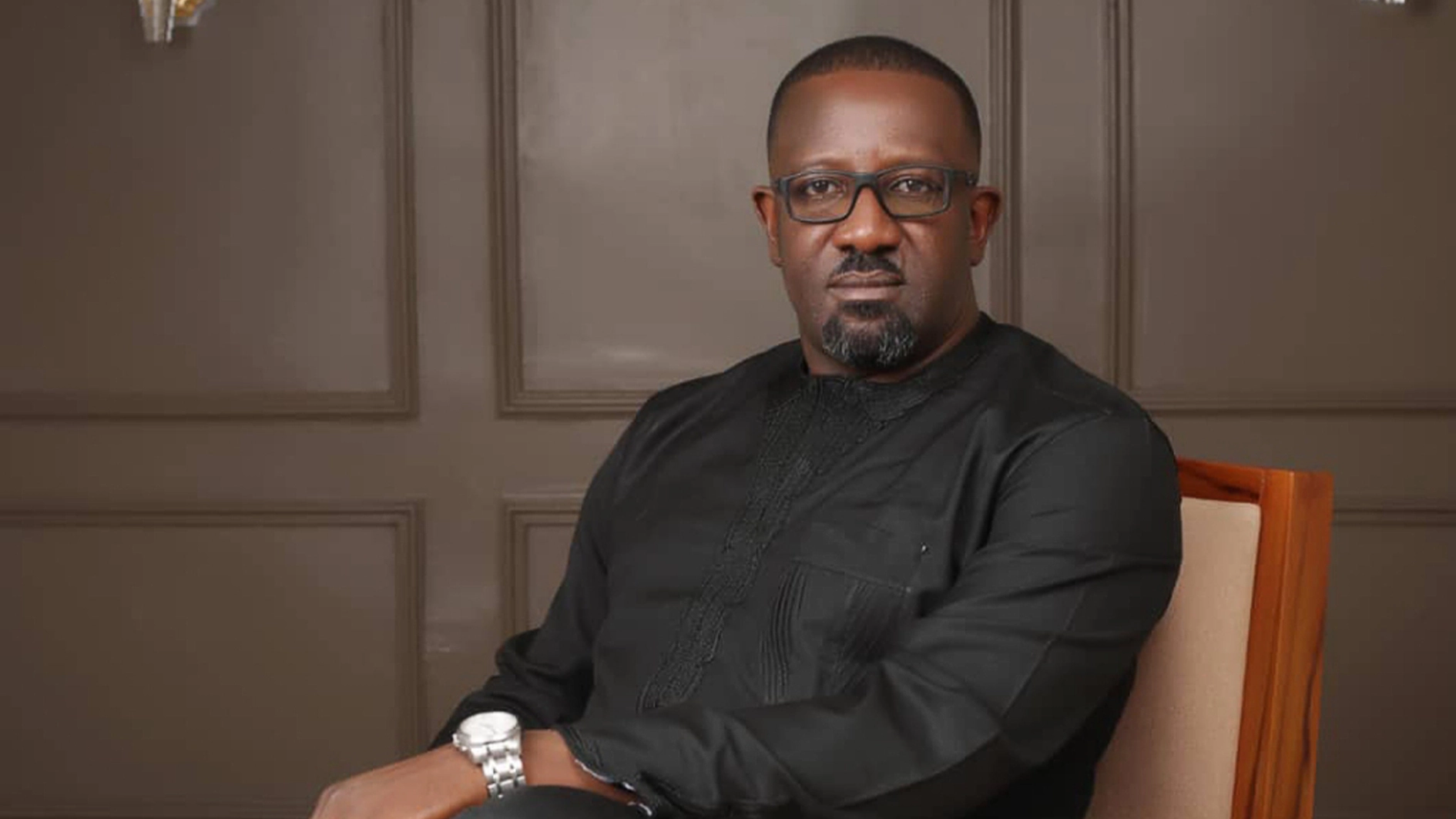
Former presidential spokesman Denge Josef Onoh has rejected South Africa’s $18.5 million request for reimbursement of migrant repatriation expenses, insisting that Pretoria should instead address losses allegedly suffered by Nigerians during xenophobic attacks.
Onoh made the demand in a statement issued in Dar es Salaam, Tanzania, on Thursday.
South Africa is seeking about R292 million from Nigeria, Malawi and Ethiopia for expenses incurred while accommodating, transporting and returning foreign nationals during its intensified immigration enforcement. The bill reportedly covers transport, temporary repatriation facilities, accommodation and staff overtime.
Onoh argued that the costs resulted from South Africa’s own immigration operations and should therefore not automatically be transferred to the countries whose citizens were affected.
He said Nigeria would reject the claim rather than accept what he described as an improper financial burden.
“Nigeria firmly rejects this illegal levy, which directly violates international law, the principles of continental solidarity, and the fundamental rights of African citizens.”
The former South-East spokesman to President Bola Tinubu also questioned the legal basis for Pretoria’s demand. He cited international and African human-rights principles in arguing that the host country has obligations towards migrants within its territory.
Rather than paying the requested amount, Onoh called for compensation over property and business losses allegedly suffered by Nigerian traders, investors and other African nationals during xenophobic attacks. He claimed that businesses, vehicles, equipment and other assets had been vandalised, looted or destroyed.
Onoh further criticised the activities of anti-immigrant groups such as Operation Dudula, arguing that inadequate protection for foreign nationals had contributed to significant economic losses. He said Nigeria was consulting with Malawi, Ethiopia and affected individuals to establish the scale of the alleged damages.
He warned that South Africa’s approach to migration could have wider diplomatic and economic consequences, particularly if other African governments view the repatriation demand as an attempt to shift domestic enforcement costs onto neighbouring countries.
The former lawmaker also invoked Nigeria’s historical role in the struggle against apartheid. He argued that Pretoria should consider Nigeria’s decades of political, diplomatic and material support before demanding payment for repatriation.
“If a refund is what Pretoria seeks, South Africa must deduct this repatriation bill from its massive, outstanding historical indebtedness to Nigeria.”
Onoh said Nigeria was prepared to pursue the matter through diplomatic and multilateral channels if South Africa continued with the reimbursement request.



















