

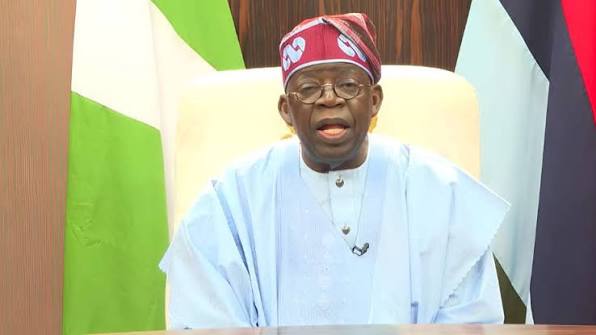
President Bola Tinubu says Nigeria has completed the most difficult stage of his administration’s economic reforms and is now entering what he described as an “age of prosperity”, with greater attention expected on jobs, production and living standards.
Tinubu made the declaration on Thursday, October 1, during his national broadcast marking Nigeria’s 66th Independence anniversary. His address was titled “From Reform to Prosperity”, reflecting the shift he said his government was making.
The President said the reforms of the past three years were intended to correct what he described as longstanding weaknesses in the economy. He argued that the removal of fuel subsidies and other measures should not be reversed.
“The emergency treatment is over. The foundation has been repaired.”
Tinubu said the economy had grown by more than four per cent in 2026, with contributions from both the oil and non-oil sectors. He also pointed to lower inflation from its peak, stronger foreign reserves and what he described as greater stability in the foreign exchange market.
The President also said Nigeria recorded more than $6 billion in non-oil export revenue in 2025, which he described as the highest level in the country’s history. These figures formed part of his argument that the reforms had improved economic stability and resilience.
Looking ahead, Tinubu said the government’s immediate economic priority would be reducing the cost of living. He said the administration would focus on lowering production and transportation costs through agriculture, infrastructure, storage, transport and improved access to inputs.
“Our priority is to bring down the cost of living.”
He said the government planned to expand mechanised irrigation and dry-season farming, improve access to seeds and fertiliser, and strengthen storage and transportation. Roads, railways and ports, he added, would be developed to connect farms and factories more efficiently with markets.
Employment and industrial production also featured prominently in the President’s plans. He said Nigeria would use its gas resources to support new industries, encourage factories to return to production, expand digital connectivity and provide skills and financing needed by businesses.
Tinubu acknowledged that many Nigerians remain under financial pressure, citing difficulties with food, school fees, medical expenses and transportation. He said those problems had accumulated over decades but argued that his administration must change their trajectory.
He also highlighted measures aimed at vulnerable Nigerians, including stronger social support, improvements to the National Social Register and continued funding through the Nigerian Education Loan Fund. He mentioned CREDICORP as another initiative intended to expand access to consumer credit.
Tinubu ended his address by urging Nigerians to look ahead rather than return to policies he said had contributed to previous economic difficulties. He described the country as having corrected its economic course and called for continued commitment to the next phase.
“The age of reform has done its work. Now begins the age of prosperity.”



















