

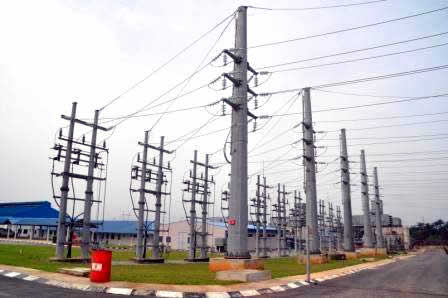
ABUJA, NIGERIA — Nigeria’s electricity supply suffered a dramatic 81.5 percent decline on Monday, October 19, after nine power generation plants went offline, plunging available grid supply to just 675 megawatts and disrupting electricity distribution across parts of the country.
Data from the Nigerian Independent System Operator (NISO) showed that electricity generation fell from 3,647 megawatts at noon to 675MW by 1 p.m., representing a staggering loss of 2,972MW within one hour.
The number of generating stations supplying the national grid dropped from 21 to 12 during the disruption.
Among the affected facilities were the Azura and Egbin power stations, alongside the Jebba and Kainji hydroelectric plants.
Earlier on Monday, the national grid had recorded 4,331MW at 1 a.m. and 4,458MW at 6 a.m. before experiencing the sharp afternoon decline.
The sudden deterioration prompted electricity distribution companies to issue emergency notices warning customers about reduced power availability.
Abuja Electricity Distribution Company (AEDC) confirmed interruptions in supply from the Transmission Company of Nigeria (TCN), explaining that technical teams were working to restore normal operations.
Similarly, Ikeja Electric attributed reduced electricity distribution across its network to inadequate power allocation from the national grid.
The company assured customers that available electricity would be distributed as efficiently as possible while efforts continued to stabilise supply.
However, NISO moved to clarify the circumstances surrounding the incident, rejecting suggestions that Nigeria had experienced a complete nationwide grid collapse.
The operator explained that multiple trippings occurred on the 330-kilovolt transmission network at approximately 12:40 p.m., affecting only a section of the system.
Working alongside TCN engineers, NISO implemented corrective measures and subsequently announced that grid stability had been restored.
Electricity supply recovered to approximately 2,150MW by 5 p.m., although generation remained substantially below earlier levels.
The latest disruption highlights persistent vulnerabilities within Nigeria’s electricity infrastructure, where transmission faults and limited generating capacity continue to affect reliability.
For households and businesses, unstable electricity supply increases dependence on expensive alternative power sources, including petrol and diesel generators.
Small businesses, manufacturers and essential service providers remain particularly vulnerable to unexpected interruptions.
The incident has renewed attention on the need for stronger transmission infrastructure, effective system protection and investment in power generation.
Although authorities have reported restoring normal grid operations, the disruption underscores the continuing challenge of providing Nigerians with stable, affordable and dependable electricity.



















