

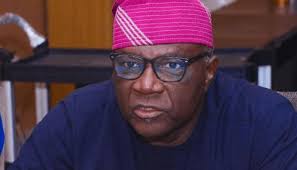
Presidential spokesman Bayo Onanuga has stirred debate after stating that he does not observe the extent of hunger often described by many Nigerians amid the country’s economic challenges.
Speaking during a recent media engagement, Onanuga acknowledged that economic reforms implemented by the administration of Bola Tinubu have created difficulties for some citizens but argued that the situation is not as severe as portrayed in certain quarters.
“I don’t see the level of hunger Nigerians complain about.”
The presidential aide maintained that while inflation and rising living costs have affected households, economic activities across the country suggest that many Nigerians are still adapting and participating in business and commercial ventures.
According to him, the government remains focused on long-term economic reforms aimed at stabilising the economy, attracting investment and creating sustainable growth despite short-term hardships.
Onanuga defended the administration’s policies, including measures introduced since the removal of fuel subsidies and the unification of foreign exchange rates, insisting that the reforms were necessary to address structural weaknesses in the economy.
He noted that the government has introduced various intervention programmes designed to cushion the impact of economic adjustments on vulnerable citizens.
The remarks come at a time when concerns over the cost of living, food prices and inflation continue to dominate public discourse. Labour groups, civil society organisations and opposition figures have repeatedly raised concerns about the hardship facing many households across the country.
However, Onanuga argued that assessments of the economic situation should be based on broader indicators rather than isolated perceptions.
He also expressed optimism that ongoing reforms would eventually deliver positive outcomes, including increased investment, job creation and improved economic stability.
The comments have generated mixed reactions, with supporters of the administration backing the government’s reform agenda, while critics contend that many Nigerians continue to face significant financial pressure due to rising prices and declining purchasing power.
Despite the debate, the presidency has maintained that current economic measures are part of a broader strategy to place the country on a stronger fiscal and developmental path in the years ahead.



















