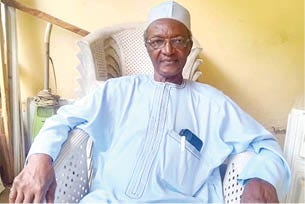
Former Head of State, General Yakubu Gowon (retd.), has disclosed fresh details about key decisions taken during the Nigerian Civil War, including why Biafran leader Chukwuemeka Odumegwu Ojukwu was not prosecuted after the conflict and how Chief Obafemi Awolowo intervened to save General Murtala Muhammed.
Speaking at a commemorative event marking the anniversary of the civil war, Gowon said the Federal Government deliberately chose reconciliation over vengeance after the conflict ended in 1970.
According to him, sparing Ojukwu from prosecution was part of efforts to rebuild national unity and prevent further divisions across the country.
“We wanted healing, reconciliation and reintegration after the war,” Gowon said. “The objective was not to punish people endlessly but to bring Nigeria back together as one nation.”
The former military ruler maintained that the “No Victor, No Vanquished” policy announced at the end of the war was genuine and intended to foster peace and stability.
Gowon also revealed that Awolowo, who served as Federal Commissioner for Finance during the war, played a critical role in preventing severe disciplinary action against Murtala Muhammed over military operations carried out during the conflict.
According to him, there were concerns within the military hierarchy regarding some of Murtala’s decisions on the battlefield, but Awolowo’s intervention helped calm tensions and prevented drastic action.
“Awolowo’s wisdom and moderation were invaluable at that time,” Gowon said, adding that the late nationalist consistently advocated unity and stability despite the pressures of the war.
The former Head of State noted that several difficult decisions had to be taken during the conflict, stressing that preserving Nigeria’s territorial integrity remained the government’s primary objective.
Reflecting on the war, Gowon urged Nigerians to draw lessons from the country’s history and avoid actions capable of threatening national unity.
He emphasized the need for dialogue, tolerance and mutual understanding among the country’s ethnic and political groups, warning that divisive rhetoric could reopen old wounds.
The Nigerian Civil War, fought between 1967 and 1970, claimed thousands of lives and remains one of the most defining events in the nation’s history. Gowon’s latest remarks have renewed public discussion over reconciliation, leadership decisions and the long-term consequences of the conflict.