

ABUJA, Nigeria
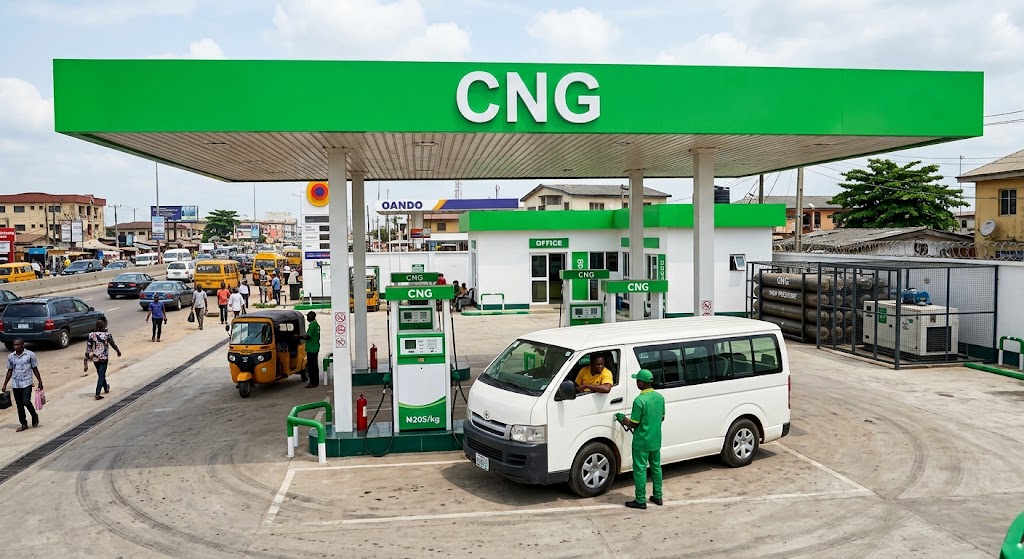
Nigeria’s Federal Government is considering deploying mobile Compressed Natural Gas (CNG) refuelling stations to rural communities, in a move aimed at reducing agricultural production costs and providing farmers with cheaper alternatives to petrol and diesel. Ismaeel Ahmed, Chairman and Chief Executive Officer of the Presidential Initiative on CNG and Electric Vehicles (Pi-CNG & EV), disclosed the proposal at a policy roundtable in Abuja.
Ahmed said consultations with state governments, particularly across northern Nigeria, had revealed growing demand for affordable gas beyond the transportation sector.
For farmers struggling with rising fuel expenses, irrigation has emerged as a major priority. Many are exploring CNG-powered water pumps to reduce their dependence on increasingly expensive conventional fuels.
Citing Jigawa State, Ahmed said the governor had informed the initiative that more than two million farmers could benefit from improved access to affordable energy.
He explained that mechanical irrigation pumps could cover approximately three hectares of farmland, compared with about one hectare for the solar-powered systems discussed with state officials.
According to Ahmed, mobile refuelling stations could bridge the energy gap in remote communities where establishing permanent gas facilities may not be commercially attractive to private investors.
However, the proposal faces significant challenges.
Ahmed identified inadequate gas supply and delays in securing regulatory approvals as major obstacles to expanding CNG infrastructure nationwide.
He urged the Nigerian Midstream and Downstream Petroleum Regulatory Authority (NMDPRA) to accelerate licensing procedures for prospective investors without compromising safety standards.
The initiative forms part of President Bola Tinubu’s broader strategy to expand domestic gas utilisation, reduce energy costs and strengthen Nigeria’s energy infrastructure.
Earlier in March, Tinubu directed the accelerated deployment of mobile CNG refuelling units while permanent infrastructure continues to expand.
Ahmed disclosed that the presidential initiative had recorded approximately 143,000 vehicle conversions, with investments estimated at $2.6 billion.
Beyond transportation, extending affordable gas access to agricultural communities could help farmers reduce operational expenses, improve irrigation capacity and increase food production, particularly during the dry season.
Nevertheless, authorities have yet to announce a confirmed deployment schedule, the number of proposed mobile stations or their intended locations.
Questions also remain about equipment conversion costs, gas distribution logistics and the accessibility of refuelling services to remote farming settlements.
For rural farmers facing high production costs, the proposal offers potential relief. Its success, however, will depend on whether government commitments translate into reliable, affordable and accessible energy on the ground.



















