

ABUJA, Nigeria
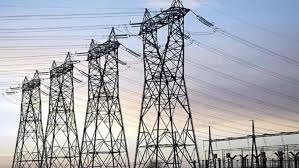
The Federal Government has approved the commencement of procurement for two major electricity super grids, targeting an increase in Nigeria’s transmission capacity from approximately 5,000 megawatts to 19,000MW within two years.
Minister of Power, Joseph Olasunkanmi Tegbe, announced the decision following Wednesday’s Federal Executive Council meeting, chaired by President Bola Ahmed Tinubu at the Presidential Villa, Abuja.
Tegbe explained that the proposed East and West Super Grids would strengthen the national electricity network, reduce transmission bottlenecks and improve power supply to homes, businesses and industries.
According to the minister, Nigeria possesses more than 13,000MW of available generation capacity, but its transmission infrastructure can reliably transport only about 5,000MW, leaving significant electricity capacity underutilised.
The planned infrastructure will connect northern and southern Nigeria, strengthening transmission corridors stretching from Sokoto through Abuja towards major commercial centres in the South.
Beyond the super grids, the Federal Executive Council approved three additional projects targeting critical electricity infrastructure.
These include a double-circuit underground and overhead power line connected to the Katampe Transmission Substation in Abuja and three 300MVA transformers to strengthen electricity supply across Lagos.
The third project involves upgrading the 35.6-kilometre Itumola–Mapasin–Sagamu transmission line from a single-circuit to a double-circuit system.
Tegbe disclosed that the high-capacity transformers would be manufactured overseas, with production expected to take between three and six months.
The minister also revealed that the government had paid ₦1.23 trillion out of approximately ₦3.3 trillion owed to gas suppliers and other electricity-sector stakeholders.
He explained that the outstanding liabilities had affected gas supplies to generating companies and undermined confidence within the power industry.
Meanwhile, President Tinubu has directed relevant agencies to clear more than 300 containers of electricity equipment stranded at Nigerian ports, some for nearly 20 years.
Technical experts will inspect the equipment to determine which items remain suitable for deployment.
The government has also commenced construction of a modern National Control Centre in Osogbo to replace the existing facility, which is more than six decades old.
A nationwide technical audit is underway to identify ageing infrastructure requiring urgent rehabilitation.
Although the government expects the projects to improve grid stability and industrial productivity, the 19,000MW target remains a proposed expansion rather than an achieved transmission capacity.
Successful implementation will depend on timely procurement, sustained investment and effective coordination across Nigeria’s electricity sector.



















