MINNEAPOLIS, United States
A United States federal court has sentenced a Minnesota businessman to 30 years in prison for his involvement in a massive $44 million fraud scheme targeting a government programme intended to provide meals for disadvantaged children during the COVID-19 pandemic.
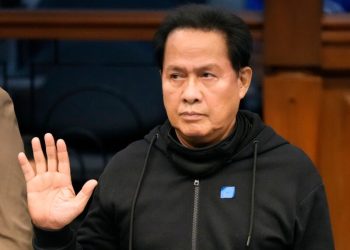
Salim Said, 37, a Somali-born businessman who operated Safari Restaurant in Minneapolis, received the sentence on Wednesday, October 28, after being convicted on 21 criminal charges, including wire fraud, bribery and money laundering.
US District Judge Nancy Brasel condemned the defendant’s actions, saying he had exploited public resources intended for vulnerable children while damaging Minnesota’s reputation.
Prosecutors revealed that Said and his associates submitted fraudulent reimbursement claims over 21 consecutive months, falsely reporting that thousands of meals had been distributed to children.
At one point, his operation claimed to serve approximately 6,000 meals daily, despite FBI surveillance showing only about 40 people collecting food.
Investigators also discovered fabricated attendance records containing the names of children who did not exist.
According to prosecutors, Said used proceeds from the scheme to purchase a $1.2 million residential property, commercial real estate and an $87,000 pickup truck.
The court also ordered him to pay more than $44 million in restitution.
Although Said denied wrongdoing during his 2025 trial, he expressed remorse at sentencing, acknowledging his involvement in the fraudulent operation.
His defence lawyer, Barry Zone, disputed prosecutors’ description of him as a principal architect of the scheme and had requested a 12-year sentence.
The case forms part of the wider Feeding Our Future scandal, one of the largest pandemic-related fraud investigations in American history.
The organisation’s founder, Aimee Bock, was previously sentenced to nearly 42 years in prison and ordered to repay approximately $242 million.
The scandal has attracted intense political attention from President Donald Trump, who repeatedly criticised Minnesota Governor Tim Walz over failures to prevent the fraud.
Trump also cited concerns surrounding fraudulent government programmes while defending expanded immigration enforcement operations in Minnesota.
Walz subsequently announced in January 2026 that he would not seek re-election.
State auditors had earlier identified serious oversight failures, revealing that education officials received repeated complaints but failed to intervene effectively.
The latest sentencing reinforces federal efforts to prosecute those responsible for diverting taxpayer-funded assistance during the pandemic.
With dozens already convicted, the investigation continues to raise questions about government accountability, financial oversight and the protection of public welfare programmes.