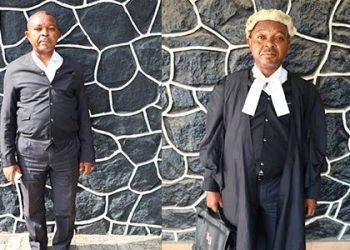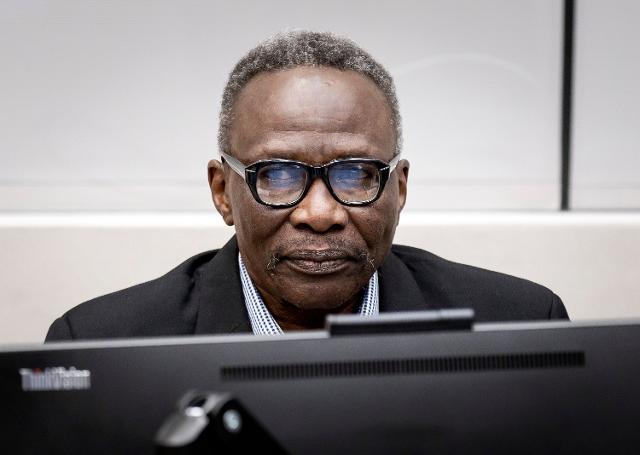
The Hague — Judges at the International Criminal Court on Monday found Ali Muhammad Ali Abd-Al-Rahman, known as Ali Kushayb, guilty of 27 counts of war crimes and crimes against humanity for atrocities committed in Sudan’s Darfur region in 2003–2004. The charges include murder, rape, torture, persecution and attacks against civilians. A separate sentencing hearing will be scheduled.
The verdict marks the ICC’s first conviction arising from the Darfur situation since the UN Security Council referred the case in 2005, a milestone for victims who have waited two decades for accountability. Abd-Al-Rahman, who pleaded not guilty to 31 counts at the start of his trial in April 2022, was accused of commanding Janjaweed militia units that carried out coordinated assaults on non-Arab villages, razed homes, and used sexual violence as a weapon of war.
Over the course of the trial, 56 witnesses—survivors, experts and insiders—described mass killings, forced displacement and systematic terror. In one account cited by prosecutors, Abd-Al-Rahman allegedly urged fighters to renew an assault—“Repeat, repeat for these people. Maybe there are some that you have missed”—to ensure no survivors remained.
The Darfur conflict erupted in 2003 after rebel groups from marginalized non-Arab communities took up arms against Khartoum, accusing the government of discrimination. The regime of then-President Omar al-Bashir responded with a scorched-earth counterinsurgency, heavily reliant on Janjaweed militias. The violence left an estimated 300,000 people dead and displaced roughly 2.7 million. Al-Bashir himself is wanted by the ICC on charges including genocide but remains at large.
Human rights advocates hailed the judgment as a breakthrough for international justice and a signal that senior militia leaders can be held to account. It comes amid renewed reports of mass atrocities and famine conditions in Darfur, where fighting has again intensified. In July, the ICC’s deputy prosecutor told the UN Security Council that war crimes and crimes against humanity continue in Sudan’s western region, underscoring the urgency of ongoing investigations.
While Monday’s ruling offers survivors a measure of recognition, it also highlights the unfinished work of accountability. Sentencing will follow after additional submissions from the parties and victims’ representatives. The court may also consider reparations, a separate process that could provide symbolic and material redress.
For many Darfuris, the conviction is both vindication and reminder: justice, though slow, remains possible—but broader peace and protection from continuing violence still depend on action far beyond the courtroom.