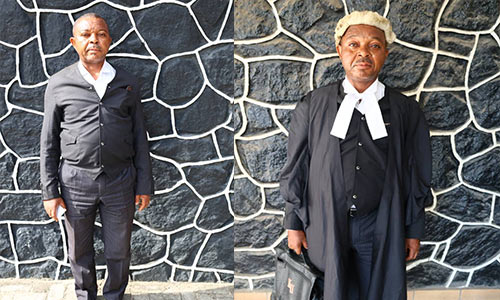
Operatives of the Economic and Financial Crimes Commission have arrested a Lagos-based man, John Anoruo, over allegations that he posed as a legal practitioner and used a forged Nigerian Bar Association seal in documents submitted to the anti-graft agency. The suspect, who runs a legal and educational consultancy in Ikorodu, was arrested on April 20 by operatives of EFCC’s Lagos Zonal Directorate 2 after investigators uncovered irregularities in papers he had filed in a corporate dispute.
According to the EFCC, the case began when Anoruo submitted a petition dated September 22, 2025 on behalf of clients against the management of Global West Vessel Specialist Nigeria Limited. Investigators later found that both the original petition and a subsequent withdrawal letter dated March 5, 2026 carried what the commission described as a forged NBA seal, raising suspicions about the authenticity of his credentials and documents.
The commission said Anoruo admitted during questioning that he obtained the seal from an undisclosed business centre in Lagos. EFCC investigators also said his background raised further red flags: the 55-year-old reportedly claimed he earned a law degree from the University of Nigeria, Nsukka in 2018 through evening classes, but acknowledged that he never attended the Nigerian Law School, the mandatory professional route for anyone seeking to practise as a lawyer in Nigeria.
Under Nigeria’s legal system, obtaining an academic law degree alone does not qualify a person to practise. A prospective lawyer must also attend the Nigerian Law School and be called to the bar before representing clients or signing legal documents as a practitioner. That legal requirement has made the allegations especially serious, as the matter goes beyond suspected document forgery to questions of impersonation and unlawful legal practice.
The EFCC said Anoruo would be charged to court once investigations are completed. While the commission has not yet disclosed the precise charges it intends to file, the case is likely to focus on forgery, false representation and related offences if the findings are sustained.
The arrest adds to growing scrutiny of fake professionals and forged regulatory credentials in Nigeria, particularly in sectors where public trust and formal licensing are critical. For the EFCC, the case underscores the risks posed when official seals and professional identities are allegedly used to mislead institutions and clients.