PARIS, FRANCE — French authorities have announced the deployment of approximately 70,000 police officers and gendarmes across the country ahead of nationwide demonstrations on Saturday, October 24, as fears mount over a repeat of violent unrest that recently rocked major cities.
The unprecedented security preparations include the temporary closure of the Louvre Museum, Musée d’Orsay, Picasso Museum and Grand Palais in Paris, disrupting cultural activities and tourism.
Interior Minister Laurent Nuñez announced the measures on Friday, warning that authorities had identified online messages encouraging vandalism, looting and attacks on public buildings.
The deployment will involve specialised police units, helicopters, armoured vehicles and water cannons, with additional security around government offices and other sensitive locations.
The announcement follows violent disturbances during demonstrations on October 17, when rioters set fires, damaged commercial properties, looted shops and clashed with security forces.
The unrest erupted alongside protests initially driven by students demanding improvements in school conditions, before expanding into nationwide demonstrations over rising living costs and strained public services.
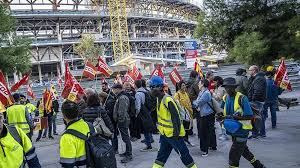
Students, trade unions and members of the Yellow Vest movement are expected to participate in Saturday’s gatherings.
Authorities have prohibited certain demonstrations in Lyon, Nice and Montpellier, while permitting selected marches in Paris and Marseille.
In the French capital, police authorised a trade union procession but rejected separate demonstration requests submitted by student organisations and Yellow Vest activists.
The restrictions have attracted criticism from civil liberties organisations and trade union representatives, who argue that preventing peaceful demonstrations could deepen public frustration.
Meanwhile, cultural institutions are taking extraordinary precautions to protect visitors, employees and valuable collections.
Organisers of Art Basel Paris, which features 211 international galleries, cancelled the fair’s weekend programme despite opening to the public on Friday.
Security concerns have also extended to Orléans, where approximately 20,000 to 30,000 demonstrators are expected to protest against the far right during a congress organised by Marine Le Pen’s National Rally party.
President Emmanuel Macron has met student representatives as his administration attempts to respond to growing public dissatisfaction.
However, student leaders have indicated that demonstrations will continue until concrete proposals addressing their grievances emerge.
The latest developments come ahead of France’s 2027 presidential election, with economic pressures, public safety and political divisions dominating national debate.
Authorities insist that the enhanced security operation is intended to protect the public while preventing further destruction.
With businesses boarding up storefronts and major tourist attractions preparing to close, France faces another critical test of its ability to maintain public order while safeguarding the right to peaceful protest.