Federal ministries, departments and agencies will have another three months to implement capital projects under the 2025 budget after the Senate approved an extension of the deadline to December 31, 2026.
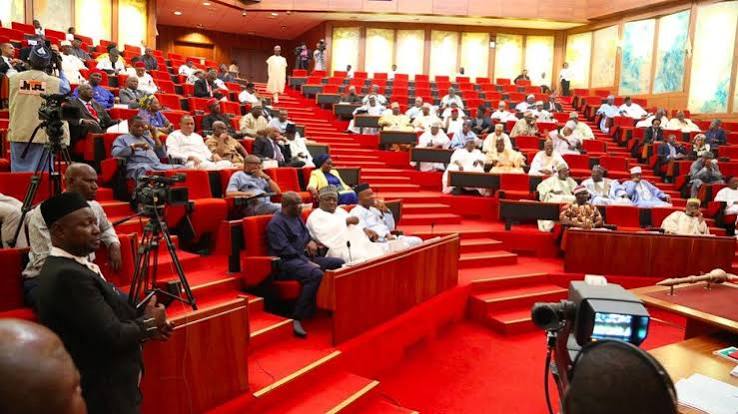
The Senate passed the amendment on Tuesday, September 29, moving the deadline from September 30. The decision marks the fourth extension of the implementation period for the capital component of the 2025 Appropriation Act.
Senate Leader Opeyemi Bamidele sponsored the amendment bill, identified as SB 1067. He said the additional time was needed because several capital projects had yet to reach their intended level of implementation despite funds having been released.
Bamidele said the extension would provide an administrative window for agencies to complete projects already funded under the 2025 appropriation, particularly those at advanced stages of execution.
He also said the measure was not designed to introduce new projects or fresh appropriations. Instead, it extends the period available for implementing existing capital allocations.
The Senate considered the bill after clause-by-clause deliberation at the Committee of Supply. It subsequently passed through the required readings before senators approved the extension during plenary.
The latest decision follows three earlier extensions. The original implementation period was scheduled to end on December 31, 2025, before it was moved to March 31, June 30 and then September 30, 2026.
The House of Representatives also approved the extension on Tuesday, meaning both chambers of the National Assembly backed the December 31 deadline for the capital component of the 2025 budget.
According to the Senate debate, the additional period is intended to give implementing agencies more time to complete ongoing projects and use appropriated funds before the revised deadline expires.
The extension comes despite earlier government commitments to move away from overlapping budget cycles. President Bola Tinubu had previously said Nigeria would transition towards a single budget cycle rather than continue operating multiple overlapping fiscal periods.
During Tuesday’s debate, lawmakers also discussed the need to prevent projects from being left unfinished because of the expiration of the budget implementation period. Deputy Senate President Barau Jibrin supported the extension on that basis.
The latest extension does not mean every project automatically receives additional funding. Rather, it keeps the existing capital allocations under the 2025 appropriation available for implementation until December 31, subject to the applicable legal requirements.
The development also came on the first day of the National Assembly’s resumed plenary after lawmakers postponed their earlier September 15 resumption date. The chambers had been away while rehabilitation work was carried out in the legislative complex.
For the government’s implementing agencies, the new deadline provides additional time to execute outstanding capital projects covered by the 2025 appropriation. The affected programmes will now remain within the approved implementation window until the end of December.
The extension therefore keeps the 2025 capital budget active for three more months beyond the September deadline. Its implementation will now run alongside the government’s other budgetary activities through the final quarter of 2026.