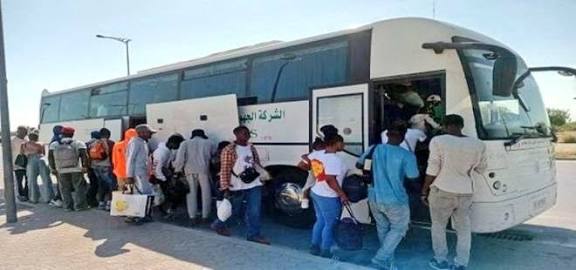
Tunisia has repatriated close to 100 sub-Saharan African migrants under what authorities described as a “voluntary return” initiative, as the North African country continues efforts to manage irregular migration flows along its Mediterranean coastline.
The group, which included migrants from several West and Central African countries, departed Tunisia this week with assistance from the International Organization for Migration (IOM) and Tunisian authorities. Officials said the programme is aimed at providing stranded migrants with safe and assisted return options to their home countries.
According to migration authorities, the latest operation forms part of a broader strategy to address increasing numbers of undocumented migrants in Tunisia, many of whom use the country as a transit route toward Europe.
Authorities noted that participants in the programme had expressed willingness to return after facing difficult living conditions, lack of employment opportunities, and prolonged uncertainty over migration status.
“Nearly 100 migrants from sub-Saharan Africa were assisted to return voluntarily to their countries of origin in a coordinated operation.”
Officials stressed that the initiative was conducted in cooperation with international partners and complied with humanitarian standards, including screening and documentation support prior to departure.
The International Organization for Migration has supported similar programmes in Tunisia in recent years, offering reintegration assistance such as vocational training and small business grants to returnees upon arrival in their home countries.
“Tunisia remains committed to managing migration in a humane and orderly manner, while respecting the dignity of all migrants.”
The move comes amid heightened scrutiny of migration policies in North Africa, where governments have faced both domestic pressure and international concern over treatment of migrants attempting to reach Europe through Mediterranean routes.
Tunisia has in recent years taken a tougher stance on irregular migration, stepping up patrols, dismantling informal camps, and increasing cooperation with European partners on border control.
Human rights organisations have, however, raised concerns about the conditions faced by migrants in the country, urging authorities to ensure that returns are truly voluntary and that vulnerable individuals are adequately protected.
Officials insist that voluntary return programmes remain a key component of Tunisia’s migration management framework, offering an alternative to prolonged detention or irregular transit attempts.
Further returns are expected in the coming months as authorities continue efforts to reduce pressure on border regions and transit hubs.