WASHINGTON — Spectators poured into the heart of Washington, DC, on Saturday as the Freedom 250 Grand Prix opened on city streets near the US Capitol, museums and national monuments, launching a two-day racing festival tied to America’s 250th anniversary celebrations.
The event marks the first IndyCar race staged on the National Mall and surrounding historic streets. The temporary circuit runs through some of the capital’s most recognisable areas, including sections near Pennsylvania Avenue, the National Archives, the Smithsonian National Air and Space Museum and the Washington Monument.
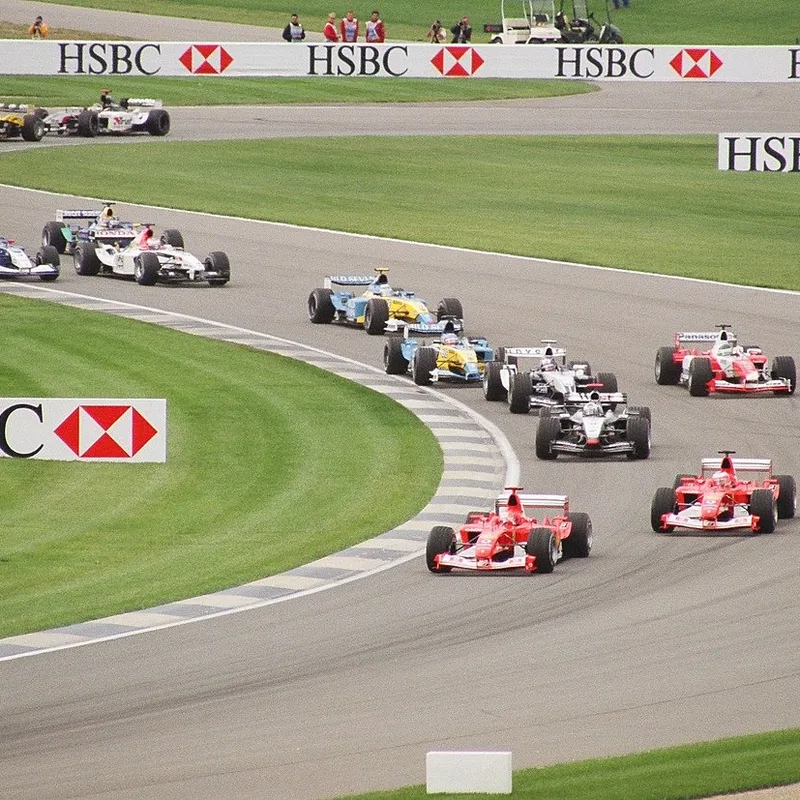
Crews transformed parts of downtown Washington into a racecourse, with barriers, fencing and painted track markings lining roads normally used by commuters, tourists and government workers. The start-finish area on 3rd Street was decorated in red, white and blue, while spectators gathered behind protective fencing as preliminary races and qualifying sessions built anticipation for Sunday’s main event.
President Donald Trump is expected to attend Sunday’s race, where he is scheduled to take a ceremonial “lap of honor” around the track in the presidential limousine, known as “The Beast,” before waving the green flag to start the race.
Trump helped fast-track the event earlier this year through an executive order that framed the race as part of the national semiquincentennial celebration. The order described IndyCar racing as a symbol of American speed, competition and innovation, and said the Washington race would showcase the capital during the country’s 250th birthday year.
The Freedom 250 is being organised with the involvement of Penske Corporation and IndyCar. Reuters reported that the main race will cover 147 laps over 250 miles on a roughly 1.7-mile, seven-turn street course.
Saturday’s activity included practice, qualifying and support events. IndyCar championship leader Alex Palou claimed pole position for Sunday’s race after posting the fastest lap in qualifying, his seventh pole of the season.
The race has drawn large crowds and major security preparations, with organisers expecting hundreds of thousands of spectators over the weekend. Its location, however, has also caused major road closures and disruptions across downtown Washington, turning parts of the federal city into a controlled racing zone.
Supporters have described the Grand Prix as a historic celebration that brings motorsport to one of the most symbolic settings in the United States. Critics have questioned the use of central Washington for a high-speed race so close to federal buildings, museums and residential areas.
For now, the city’s usual soundtrack of traffic, tourists and sirens has been replaced by engines, announcements and cheering crowds — a temporary transformation of the nation’s capital into a street-racing stage.