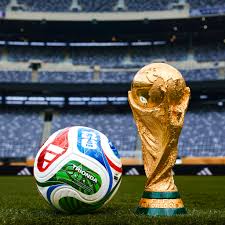
Teams from the Confederation of North, Central America and Caribbean Association Football (Concacaf) have emerged among the surprise performers at the 2026 FIFA Club World Cup, delivering impressive displays that have strengthened the region’s growing reputation on the global stage.
Clubs from Mexico and the United States have produced several standout performances during the expanded tournament, challenging traditional football powerhouses from Europe and South America and advancing deeper into the competition than many had predicted.
FIFA President Gianni Infantino praised the progress made by Concacaf teams, describing their performances as evidence of the increasing competitiveness of football beyond its traditional strongholds.
“The level of football has risen everywhere.”
“Concacaf clubs have shown they can compete with the best teams in the world.”
Analysts have attributed the region’s success to sustained investment in youth development, improved domestic leagues, stronger financial backing and the recruitment of experienced international players and coaches.
The expanded Club World Cup format has also provided clubs from emerging football regions with more opportunities to test themselves against elite opposition, a development many believe is accelerating the global growth of the sport.
Several Concacaf clubs have earned praise for their tactical discipline, defensive organisation and ability to compete physically against some of the world’s most successful teams. Their performances have also generated renewed optimism ahead of the 2026 FIFA World Cup, which will be jointly hosted by the United States, Canada and Mexico.
Football experts say the tournament has highlighted the narrowing gap between clubs from established football nations and those from developing regions, with Concacaf teams demonstrating greater consistency and confidence on the international stage.
The success has been welcomed by football administrators across the region, who view it as validation of years of investment in infrastructure, coaching and player development.
With the Club World Cup entering its decisive stages, Concacaf representatives will be aiming to build on their achievements and further enhance the region’s standing in world football. Their performances have already challenged long-held perceptions about the balance of power in the global club game and underscored the rapid growth of football across North and Central America and the Caribbean.