LIBREVILLE, GABON
Gabon has officially lifted its eight-month suspension of major social media platforms, restoring access to popular digital services following widespread criticism from opposition politicians, businesses and civil rights campaigners. The decision was announced on Saturday, October 24, by the country’s High Authority for Communication (HAC), ending restrictions imposed on February 17 over allegations that online content threatened national security and social stability.
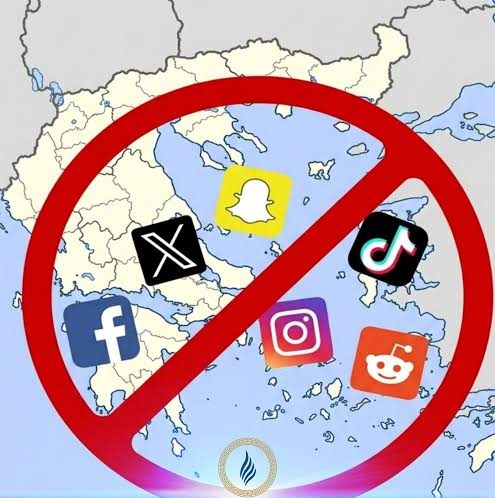
HAC spokesperson Jean-Claude Franck Mendome confirmed the decision in a televised announcement, explaining that authorities had completed important regulatory changes intended to strengthen oversight of digital platforms. The suspension affected Facebook, TikTok, Instagram and YouTube, while messaging services such as WhatsApp experienced intermittent disruptions.
During the blackout, thousands of Gabonese citizens turned to virtual private networks (VPNs) to bypass restrictions and maintain communication with relatives, customers and business partners. VPN provider Proton reported an extraordinary 60,000-percent increase in downloads immediately after the restrictions were introduced.
The ban generated considerable controversy, particularly among young people, entrepreneurs, journalists and political activists who rely on social media for communication, commerce and public debate. The government initially justified the restrictions by accusing some users of distributing defamatory material, hate speech, false information and content capable of undermining public institutions.
However, opposition figures condemned the suspension as an attack on freedom of expression and political participation. The decision came during a period of social unrest under President Brice Clotaire Oligui Nguema, whose administration has faced protests over living costs, salaries and working conditions. Ng uema, who seized power in a 2023 military coup that ended more than five decades of Bongo family rule, was subsequently elected president in April 2025.
Despite lifting the ban, Gabonese authorities have introduced stricter digital regulations requiring users to provide verified personal identification, effectively restricting online anonymity. The HAC also confirmed ongoing cooperation with major technology companies, including Meta, TikTok and YouTube, to strengthen content moderation and reporting mechanisms. Officials say the new arrangements will help authorities respond more effectively to unlawful online material.
However, digital rights advocates remain concerned about privacy, government surveillance and the possibility of renewed restrictions. The regulator urged internet users to demonstrate greater responsibility when sharing content and engaging in online discussions. For businesses and individuals affected by the prolonged disruption, the lifting of the suspension offers an opportunity to rebuild digital activities and reconnect with online audiences. Nevertheless, the new identification requirements mean that restored access comes with significantly tighter government oversight.