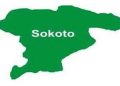
Sokoto State may have received substantial development support from UNICEF, but the agency is concerned that government spending is not keeping pace with the needs of residents, particularly children and vulnerable families.
The concern featured prominently at a citizens’ consultation on the state’s proposed 2027 budget, where UNICEF called for better funding and more effective implementation of social programmes.
The meeting took place on Tuesday at the Sultan Maccido Institute of Quranic and General Studies in Sokoto. UNICEF’s Chief of Field Office in the state, Dr Michael Juma, used the occasion to outline the organisation’s financial contributions and the results achieved through its interventions.
According to Juma, UNICEF invested more than $9 million, estimated at approximately ₦13 billion, in development programmes across Sokoto in 2026.
The investment covered several areas, including maternal and child healthcare, education, nutrition, child protection, vocational skills and access to water and sanitation. It also financed the provision of Ready-to-Use Therapeutic Food (RUTF) for children suffering from malnutrition.
One of the figures presented at the meeting was the recovery of 199,000 children from malnutrition out of 205,193 admitted for treatment during the year.
The organisation also supported improvements in healthcare infrastructure, including the renovation of five primary healthcare centres and the installation of solar power systems in 39 facilities.
Its education programmes helped 62,000 children who were previously out of school return to learning. Meanwhile, 250 adolescents and Almajiri children received digital and vocational skills training, while 18,976 children benefited from birth registration services.
However, UNICEF’s assessment of government expenditure raised concerns about whether available resources were being deployed quickly enough.
The state’s overall budget implementation stood at 33.3 per cent as of September 2026. Performance in the social sector was 27 per cent, with healthcare recording 21.5 per cent and education 29 per cent.
Against this background, the agency urged the government to make adequate provisions for nutrition, social protection and healthcare in the 2027 budget. It also stressed the importance of extending essential services to vulnerable people at the local government level.
Juma acknowledged a ₦135 million release by the state government to the Sokoto State Contributory Healthcare Management Agency (SOCHEMA) for enrolling disadvantaged residents in the health insurance scheme.
Governor Ahmed Aliyu said his administration would take public concerns into account when preparing the next budget. He disclosed that consultations had been conducted across all 244 political wards in the state’s three senatorial districts.
Residents identified healthcare, education, roads and water supply as major priorities. The governor noted that available resources would determine how proposed projects were prioritised.
Also speaking, the Permanent Secretary of the Ministry of Budget and Economic Planning, Alhaji Buhar Umar, called for externally funded development projects to be considered when measuring the state’s budget performance.
He explained that some interventions supported by development partners were not reflected in official government expenditure records.
Umar further disclosed that approval had been granted for Sokoto to participate in an accelerated nutrition programme covering five local government areas. Motorcycles had also been approved to support social protection enumerators across the state’s 23 local government areas.
The discussion has placed renewed attention on the gap between development commitments and actual spending, with UNICEF urging Sokoto to ensure that budget allocations translate into accessible services for children and vulnerable communities.