A military operation against Russian vessels off Libya’s coast has created an unexpected diplomatic headache for Kyiv, forcing Ukraine to reassure Tripoli that its war with Moscow will not turn Libyan territory into another battleground.
Ukrainian Foreign Minister Andrii Sybiha gave the assurance on Thursday, November 26, during a telephone conversation with Libya’s acting Foreign Minister, Al-Taher Al-Baour. He said Ukraine respected Libya’s sovereignty and had no intention of drawing the North African country into the conflict.
Sybiha maintained that the operation was directed exclusively at Russian military assets believed to be supporting Moscow’s invasion of Ukraine. He also acknowledged the unintended consequences of the incident and expressed condolences to the Libyan people.
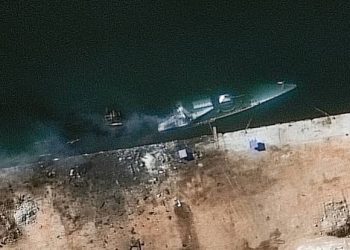
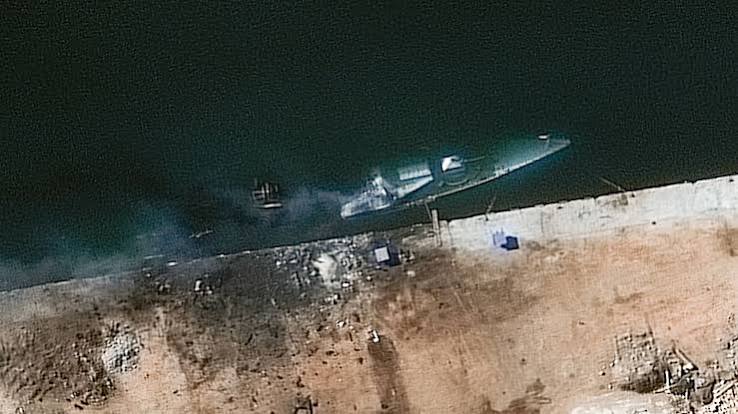
The diplomatic conversation came four days after Ukrainian forces launched drone attacks against Russian vessels in and around Benghazi on Sunday, November 22.
Ukraine subsequently acknowledged responsibility for the operation. President Volodymyr Zelenskyy said seven naval drones were deployed, sinking the Russian naval corvette Merkury and hitting the cargo vessel MV Angara, which Kyiv accused of transporting weapons.
The strikes have provoked reactions from different political and military authorities in Libya, where concerns are mounting that the country could become caught up in the confrontation between Russia and Ukraine.
Libya’s internationally recognised Government of National Unity, based in Tripoli, condemned the operation and demanded an explanation from Kyiv. It maintained that Libya should not be made to bear the consequences of a war in which it is not directly involved.
Authorities in eastern Libya also called for an international investigation into the incident, including allegations of Ukrainian military activity on Libyan territory.
The consequences extended beyond the damage to the vessels. The eastern Libyan military command reported that two of its personnel died from injuries sustained during the attack.
Libya’s political divisions have further complicated the situation. The Government of National Unity operates from Tripoli in the west, while eastern Libya remains under the control of forces loyal to military commander Khalifa Haftar, who maintains close military and strategic ties with Russia.
The United Nations Support Mission in Libya condemned the attacks and called for an independent investigation. It also urged all parties to respect the country’s sovereignty and prevent further escalation.
Russia, meanwhile, accused Ukraine of extending its military campaign into the Mediterranean and Baltic regions. Italy also expressed concern, with Foreign Minister Antonio Tajani cautioning Kyiv against expanding its military operations into new territories.
Sybiha’s outreach to his Libyan counterpart signals Kyiv’s effort to contain the diplomatic fallout. But with questions over the reported casualties and demands for an investigation still unresolved, Ukraine faces the challenge of defending its military operation without further alienating Libya.