

PARIS, France
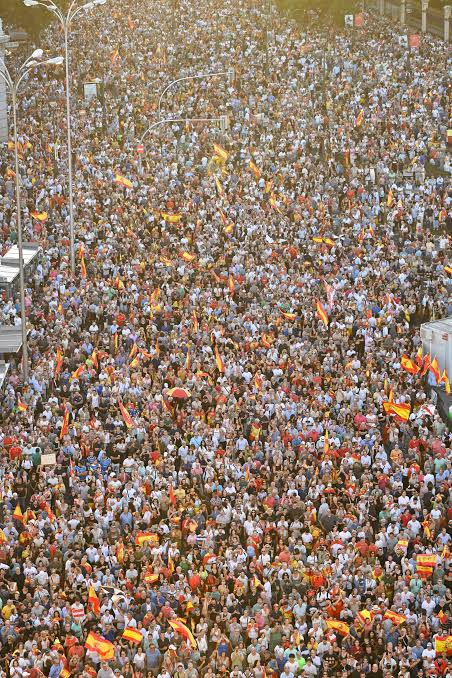
Hundreds of thousands of protesters flooded streets across France on Thursday, demanding higher wages, affordable living costs and stronger public services as mounting economic frustrations intensified pressure on President Emmanuel Macron’s government.
The nationwide demonstrations brought together trade unions, students, teachers, healthcare workers and transport employees, triggering widespread disruptions to schools, rail services and other essential activities.
France’s Interior Ministry estimated that approximately 575,000 people participated, while the powerful CGT trade union placed attendance at nearly 1.6 million, highlighting the extraordinary scale of the mobilisation.
Major demonstrations took place in Paris, Lyon, Marseille and several other cities, with unions organising more than 200 rallies nationwide.
Protesters expressed growing anger over stagnant wages, expensive food, rising housing costs and household energy bills, arguing that ordinary citizens are bearing the burden of France’s economic difficulties.
The demonstrations also strengthened a student-led movement that began in September over deteriorating educational facilities, overcrowded classrooms and inadequate school funding.
Approximately one-third of French high schools were reportedly closed or disrupted by strikes and student blockades, while several university campuses experienced similar interruptions.
In Paris, thousands marched under union banners, chanting for economic justice and demanding government action.
Although many demonstrations remained peaceful, tensions escalated in several cities as police confronted protesters. Security forces deployed tear gas in Lyon and Bordeaux, while authorities reported 448 arrests and 53 injured police officers nationwide.
The government mobilised approximately 70,000 security personnel amid concerns about renewed violence following previous demonstrations.
France’s worsening budget crisis has added urgency to the unrest.
The government is struggling to secure parliamentary approval for its 2027 budget while attempting to reduce public borrowing and control a national debt approaching 120 percent of economic output.
Trade unions warn that proposed spending cuts could further weaken healthcare, education and social protections while worsening financial pressures on households.
Prime Minister Sébastien Lecornu has announced plans to meet union representatives and business leaders on Monday to discuss wages and rising living costs.
However, union leaders have signalled that demonstrations could continue unless meaningful economic concessions are secured.
The unrest comes just months before France’s 2027 presidential election, when Macron will be constitutionally barred from seeking another consecutive term.
With public frustration spreading across generations and economic sectors, Thursday’s protests have become a major test of the government’s ability to address economic grievances while maintaining political stability.



















