

PORT-AU-PRINCE, Haiti
El Salvador has deployed more than 2,000 heavily armed troops to Haiti in a major military operation aimed at rescuing four missing Salvadoran personnel and supporting efforts to combat powerful criminal gangs terrorising the Caribbean nation.
The deployment, ordered by President Nayib Bukele, represents a significant expansion of El Salvador’s involvement in Haiti’s security crisis, as international forces struggle to restore stability.
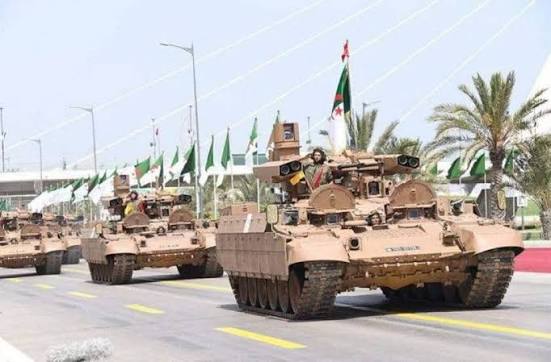
On Friday, October 30, convoys of Salvadoran soldiers carrying automatic weapons and travelling in armoured vehicles were seen moving through the Tabarre neighbourhood of Port-au-Prince.
The operation followed an October 18 ambush in Croix-des-Bouquets, a gang-controlled area northeast of the capital, where four Salvadoran aviation technicians serving with the United Nations-backed Gang Suppression Force disappeared.
Haitian authorities believe the men were abducted, although no criminal organisation has claimed responsibility.
Bukele has insisted that the deployment is primarily a rescue mission rather than an attempt to occupy Haiti or interfere with its sovereignty.
He explained that his government was financing approximately 90 percent of the operation’s costs and remained determined to bring the missing personnel home.
El Salvador’s Foreign Ministry confirmed that Bukele had discussed the deployment with Haitian Prime Minister Alix Didier Fils-Aimé, with both leaders agreeing to strengthen security cooperation.
However, the rapid arrival of thousands of troops has raised questions about the mission’s command structure, operational authority and potential consequences for civilians.
Security analysts warn that Haiti’s deeply entrenched gangs, weakened institutions and longstanding political instability present challenges considerably different from those confronted by Bukele’s anti-gang campaign in El Salvador.
Humanitarian organisations have also expressed concern over escalating armed confrontations in densely populated neighbourhoods.
Médecins Sans Frontières reported treating 30 people injured by gunfire or drone explosions between October 18 and 26, warning that roadblocks and violence were severely restricting access to emergency healthcare.
According to United Nations figures, more than 5,700 people were killed or injured in Haiti between January and mid-September 2026.
The country has experienced prolonged instability since the assassination of President Jovenel Moïse in 2021, with armed gangs controlling extensive areas of Port-au-Prince.
Meanwhile, Haitian electoral authorities have scheduled general elections for July 18 and October 4, 2027, following repeated postponements caused by insecurity.
Despite the military reinforcements, the four missing Salvadorans have not been confirmed rescued.
As operations continue, attention remains focused on their fate, civilian protection and whether the deployment can help restore lasting security in Haiti.



















