

TEHRAN, Iran | October 31, 2026
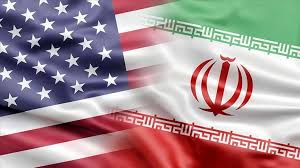
Iranian Foreign Minister Abbas Araghchi has welcomed Washington’s latest attempt to reopen diplomatic dialogue, describing it as a “positive step” towards resolving the prolonged Middle East conflict, but warned that Tehran has no immediate plans to meet American officials.
Speaking to Al Jazeera on Saturday, Araghchi confirmed that Iran’s senior leadership had reviewed a letter from US Vice President JD Vance, reportedly seeking to revive negotiations between the two countries.
The development comes as international mediators intensify efforts to prevent renewed military confrontation following months of hostilities involving Iran, the United States and Israel.
Araghchi acknowledged the American initiative but stressed that meaningful negotiations would depend on Washington addressing Tehran’s outstanding demands.
He dismissed reports of an imminent meeting between Iranian and American representatives, explaining that discussions would continue through intermediaries.
The foreign minister confirmed that an Iranian delegation had travelled to Doha, Qatar, to pursue consultations following a visit by Qatari mediators to Tehran on Friday.
He also revealed that Qatar and Pakistan were helping facilitate negotiations over Iran’s proposed arrangement to reopen the strategically important Strait of Hormuz.
According to Araghchi, mediators have made significant progress in reducing the implementation period of Iran’s original seven-day reopening proposal.
Qatar initially proposed shortening the process to five days, before discussions produced a revised framework allowing implementation within two days, provided Tehran’s conditions are satisfied.
Those conditions include lifting certain American sanctions, reducing US military deployments in the region, restoring oil-related exemptions and releasing frozen Iranian assets.
Tehran is also demanding recognition of maritime routes previously discussed with Oman.
Meanwhile, Araghchi disclosed that Iran was reviewing proposals concerning its nuclear programme, although significant disagreements remain unresolved.
President Donald Trump previously maintained that Vance’s communication was intended primarily to address Iran’s need for medical supplies, rather than initiate formal peace negotiations.
Despite acknowledging Washington’s diplomatic outreach, Araghchi warned that Iran remained prepared for renewed military attacks.
He said Iranian forces had strengthened their defensive capabilities and improved military readiness.
The diplomatic developments come amid growing international concern over disruptions to Gulf shipping, regional energy supplies and the possibility of further escalation.
Gulf governments have intensified calls for restraint, warning that another military confrontation could threaten vital infrastructure and civilian populations.
No ceasefire agreement or direct US-Iran negotiations have been confirmed.
For now, the renewed diplomatic engagement offers an opportunity for de-escalation, although substantial differences remain between Washington and Tehran.



















