BAFWASENDE, DR CONGO
A veteran nurse has been killed and a second Ebola-response worker seriously injured in an attack in northeastern Democratic Republic of Congo, deepening fears that misinformation and violence are undermining efforts to contain one of the country’s deadliest outbreaks.
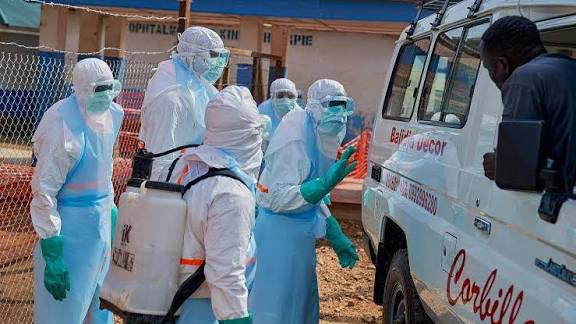
The assault took place in Bafwasende, Tshopo province, where the two were carrying out community outreach linked to an Ebola alert. According to a report reviewed by Reuters, residents accused the workers of contaminating water supplies and spreading the disease before a group armed with machetes and sticks attacked them.
The nurse, who worked at the town’s general hospital and was well known locally, died before emergency services could reach him. His colleague, a teacher assisting with public health outreach, survived and was receiving treatment.
Reports differed on the precise timing of the attack: Reuters placed it on Friday, October 23, while the World Health Organization said it occurred Saturday.
The killing drew condemnation from WHO Director-General Tedros Adhanom Ghebreyesus, who said health personnel must be protected while serving vulnerable communities.
The organisation’s Africa regional director, Mohamed Yakub Janabi, warned that fear and false information must not be allowed to drive further violence.
United Nations Ebola response coordinator Julien Harneis demanded an investigation and urged residents to allow medical teams to work without intimidation.
Local health officials told Reuters that several nurses were sheltering inside Bafwasende’s general hospital under police protection, too frightened to return home. Soldiers also briefly deployed to the area.
The assault is not an isolated incident. Health workers and burial teams have reported threats, while medical facilities and vehicles have been targeted in earlier attacks.
Days before the nurse’s death, another community outreach worker was attacked and his house set ablaze, Reuters reported.
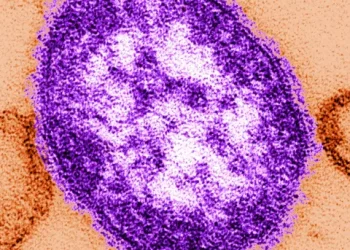
Congo is battling an outbreak caused by the Bundibugyo Ebola virus. The country’s public health institute reported 9,964 confirmed infections by October 23, with a case fatality rate of approximately 48.6 percent. The outbreak, declared in May, has spread across eight provinces.
The violence threatens an already difficult response in remote communities where staffing shortages, limited supplies and mistrust of authorities complicate contact tracing and treatment.
Ebola can spread through direct contact with infected bodily fluids, making early detection and safe care essential.
Health officials say protecting frontline workers and rebuilding public trust will be critical to preventing further deaths.