Lagos health authorities have begun reviewing disease-screening arrangements at Murtala Muhammed International Airport as part of efforts to prevent Ebola from spreading into the state following a confirmed infection in Abuja.
Although no suspected case has been reported in Lagos, the government says it is strengthening surveillance and reviewing emergency response procedures to ensure that health officials can quickly identify and manage potential infections.
The Commissioner for Health, Professor Akin Abayomi, disclosed the measures in a statement released on Sunday, October 25, 2026.
Abayomi explained that the state had opened discussions with airport authorities, Port Health Services and other agencies responsible for protecting travellers and preventing the spread of infectious diseases.
The discussions focused on existing passenger screening procedures, infection prevention measures and communication arrangements between officials working at the airport.
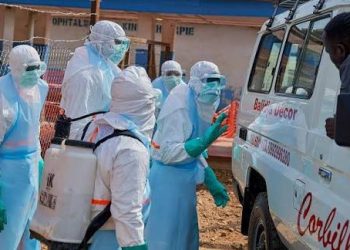
Health authorities are also examining how suspected cases would be identified, reported and managed if an infected traveller arrived in Lagos.
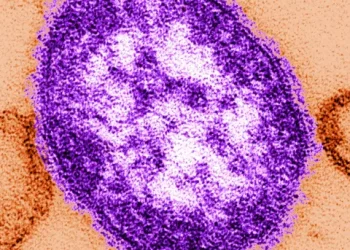
The review follows the confirmation of an Ebola infection involving the Bundibugyo virus in Abuja, which prompted increased public health monitoring across the country.
Beyond the airport, Lagos is strengthening its disease surveillance network through the Directorate of Epidemiology, Biosecurity and Global Health.
The directorate is working with relevant health institutions to improve monitoring, share information and support early detection of suspected infections.
Public education is another part of the response, with officials providing information about Ebola symptoms, transmission and preventive measures.
Ebola is a serious viral illness that can spread through direct contact with infected blood or other bodily fluids, contaminated objects or the remains of infected individuals.
Symptoms may appear between two and 21 days after exposure and commonly include fever, weakness, headache, muscle pain, vomiting and diarrhoea.
Some infected people may experience bleeding, although this is not present in every case.
Abayomi explained that the early signs of Ebola can resemble malaria, making appropriate medical examination important when a person develops fever following possible exposure.
The state’s fever-management policy requires malaria testing before antimalarial treatment, with additional medical assessment where necessary.
Travellers entering Lagos from locations experiencing Ebola transmission have been advised to cooperate with health officials and provide accurate information about their travel history and health condition.
Residents who develop symptoms after possible exposure are encouraged to seek medical advice promptly rather than delay reporting.
The government has also recommended regular handwashing and avoiding direct contact with potentially infectious bodily fluids or sick and dead wild animals.
People who suspect exposure can contact emergency services through 112 or 767.
For now, Lagos authorities maintain that no suspected Ebola infection has been detected in the state, while airport coordination, disease monitoring and public awareness activities continue.