

ISTANBUL, TURKIYE
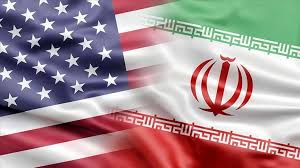
Foreign ministers from eight European and Middle Eastern countries have urged the United States and Israel to abandon plans for renewed military strikes against Iran, warning that another confrontation could deepen regional instability, threaten global energy supplies and undermine diplomatic efforts to end the conflict. The appeal followed high-level talks in Istanbul on Friday, October 23, bringing together representatives from France, Germany, the United Kingdom, Italy, Turkiye, Saudi Arabia, Pakistan and Egypt.
The unprecedented gathering was aimed at coordinating diplomatic responses to escalating tensions involving Iran, the continuing conflict in Yemen and disruptions to vital international shipping routes.
Turkish Foreign Minister Hakan Fidan, who hosted the meeting, said participating countries agreed that further military intervention would worsen the crisis rather than deliver lasting security. He stressed that dialogue remained essential to preventing renewed hostilities and restoring stability across the region.
French Foreign Minister Jean-Noël Barrot warned that another confrontation between Washington and Tehran would produce no winners, particularly as global energy markets struggle with mounting uncertainty.
Barrot said renewed fighting could have serious consequences for oil and gas prices, affecting economies far beyond the Middle East.
Italy’s Foreign Minister Antonio Tajani echoed the warning, arguing that military operations alone could not resolve the crisis.
He called for negotiations to restore freedom of navigation through the Strait of Hormuz, a strategically important waterway disrupted by the conflict.
The ministers also expressed concern over continuing Houthi missile and drone attacks against Saudi Arabia, demanding an end to assaults threatening civilian infrastructure and regional security.
Germany’s Foreign Minister Johann Wadephul highlighted the economic consequences of disrupted shipping routes, warning that restrictions on energy and fertiliser supplies were placing additional pressure on consumers and international markets.
The diplomatic intervention came amid reports that Washington and Israel were considering further military action against Iran while negotiations concerning Tehran’s nuclear programme remained deadlocked.
US Ambassador to Turkiye Tom Barrack separately indicated that another American strike was possible, although no final decision was announced. Beyond Iran, the Istanbul meeting addressed the Israeli-Palestinian conflict, the war in Yemen and efforts to secure progress towards ending Russia’s war in Ukraine. The participating countries agreed to maintain diplomatic coordination through further meetings.
However, neither Washington nor Tehran announced a new agreement following the talks. The ministers’ intervention reflects growing international concern that another round of military escalation could undermine already fragile regional stability, further disrupt global trade and make a negotiated settlement increasingly difficult.



















