WASHINGTON, UNITED STATES
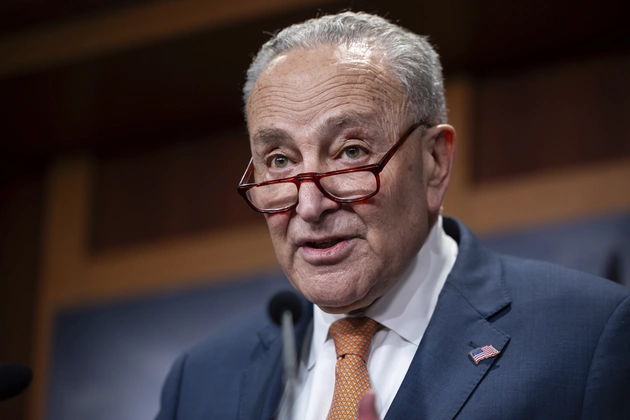
US Senate Democratic Leader Chuck Schumer has urged the Federal Communications Commission (FCC) to reject a controversial proposal allowing political organizations to send unsolicited artificial intelligence-generated robocalls, warning that the technology could spread misinformation and mislead millions of voters ahead of November’s congressional elections.
Schumer issued the warning on Monday, October 19, as regulators concluded their public consultation on a petition submitted by the conservative political organisation Club for Growth. The group is seeking permission to make automated political calls to Americans’ mobile phones using artificial or prerecorded voices, including AI-generated speech, without obtaining recipients’ prior consent. Schumer warned that relaxing existing safeguards could allow political operatives to impersonate candidates, fabricate statements and distribute misleading information about voting arrangements.
He argued that increasingly sophisticated voice-cloning technology could make fraudulent political messages difficult for ordinary voters to identify. The senator cited the 2024 New Hampshire Democratic presidential primary, when voters received automated calls featuring an AI-generated imitation of then-President Joe Biden’s voice, discouraging participation in the election.
The FCC subsequently proposed a $6 million penalty against a political consultant connected to the incident. Under existing federal regulations, most automated calls using artificial or prerecorded voices cannot be placed to mobile phones without prior consent. Club for Growth argues that political communication protected under the First Amendment should receive treatment comparable to certain permitted automated calls involving banking, medical appointments and package deliveries. The organization’s president, David McIntosh, has defended the petition as an effort to protect political speech rather than facilitate deception. Club for Growth plans to spend approximately $175 million during the 2026 congressional election cycle.
However, Democratic FCC Commissioner Anna Gomez has opposed the proposal, warning that permitting unsolicited AI-generated political calls shortly before Election Day could create confusion and increase opportunities for manipulation. Several public interest organizations have also urged regulators to reject the request.
An FCC spokesperson said the agency currently has no plans to approve the petition, despite speculation that a decision could emerge before the November 3 elections. The controversy highlights mounting concerns about artificial intelligence in democratic processes as political campaigns increasingly experiment with synthetic audio, automated messaging and digital advertising.
Several states, including Louisiana, Tennessee and Vermont, have introduced disclosure requirements for AI-generated political calls. With Americans preparing to vote in closely watched congressional elections, the dispute places election integrity, political expression and consumer protection at the centre of a growing national debate over AI regulation.